
Back to Latest Briefings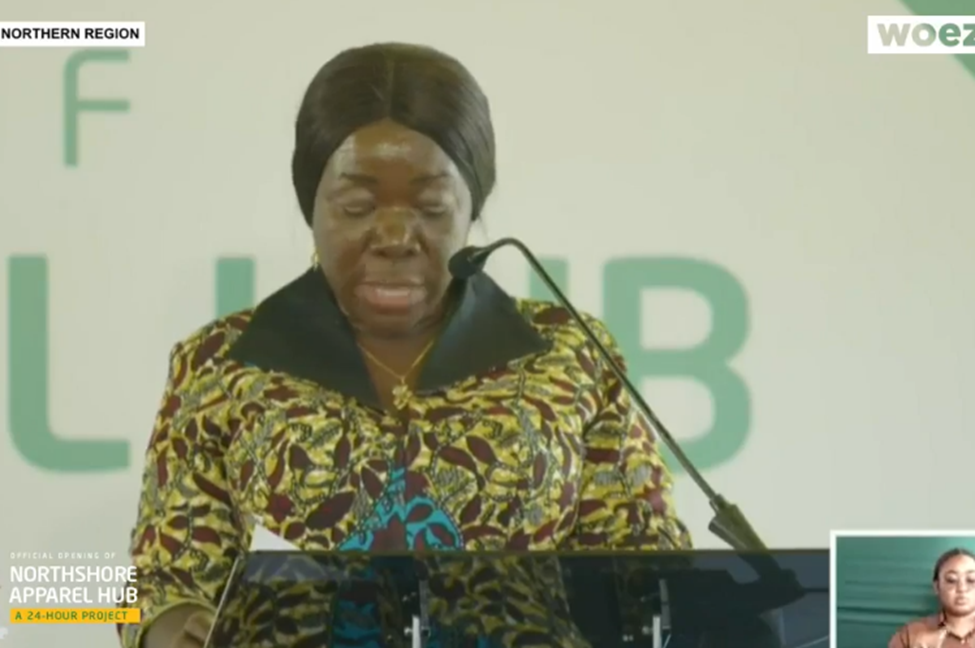


August 28, 2026
AI-Enhanced
Add value to cotton before export – Trade Minister urges Ghana
Money
Policy
Opportunity
Growth
Key Points
- Minister Ofosu-Adjare advocates for Ghana to add value to its cotton domestically to develop a strong textile and apparel value chain, instead of exporting raw materials.
- She highlighted that Ghana and other African countries lose significant economic value by exporting raw cotton while importing processed textile products.
- The Minister pointed to over four million hectares of uncultivated northern savannah zones suitable for cotton production and cited Bente Energies Limited's successful experimental cultivation with plans for expansion.
- She stressed the need for Ghana to emulate countries like China, Bangladesh, and Vietnam by investing in manufacturing, infrastructure, skills, and market access to become a competitive player in the global apparel market.
- The newly launched Northshore Apparel manufacturing hub in Savelugu was showcased as an example of indigenous investment, designed to create jobs and produce for local and international markets, reinforcing the government's commitment to industrialization and export growth.
Why This Matters
This article is significant for Ghana as it outlines a strategic shift towards industrialization and economic diversification. By advocating for domestic value addition to cotton, Ghana aims to retain more wealth, create jobs, and reduce reliance on raw material exports, ultimately strengthening its economy and positioning itself as a competitive player in the global textile market.
Read Full Article
View original sourceRelated Articles
October 12, 2026
84 suspected drug offenders in custody as NACOC freezes nearly 73 assets – Muntaka
- Ghana's Interior Minister disclosed that 84 people are in custody facing narcotics charges.
- Approximately 73 suspected assets linked to individuals under investigation have been frozen.
- The judiciary and Attorney-General's Department are supporting reforms, including dedicated courts for narcotics cases.
- The Narcotics Control Commission (NACOC) has been granted direct prosecutorial powers, allowing its officers to handle cases.
- A new approach to asset recovery involves identifying and securing suspected proceeds of crime earlier in investigations, with assets transferable to the state upon conviction.
October 12, 2026
Ashanti cocoa farmers welcome new COCOBOD Act
- Cocoa farmers and traditional leaders in the Ashanti Region expressed satisfaction with the Ghana Cocoa Board Act, 2026 (Act 1182), following engagements with COCOBOD.
- Participants acknowledged the rationale behind the new cocoa producer price, despite initial expectations for a higher amount, after receiving explanations on the determination process.
- They called for sustained public education on the new Act, particularly provisions protecting farmlands from illegal mining and unauthorized sand winning, and urged depoliticization of cocoa issues.
- Farmers requested improvements in the free distribution of agricultural inputs, speedy implementation of the Farmer Pension Scheme, and transparency in the cocoa tertiary education scholarship scheme.
- COCOBOD committed to continuous dialogue and stakeholder participation, with further engagements planned on input distribution and disease control, and will submit farmer concerns to management.
October 12, 2026
NDPC examines how evidence shapes Ghana’s development planning and policy decisions
- The National Development Planning Commission (NDPC) is reviewing how research and evidence are used to guide national development planning and policy in Ghana.
- Preliminary findings from a study by Mettalytics and the University of Cape Coast (UCC) indicate challenges in effectively integrating available evidence into the planning process.
- Prof. William Cantah of UCC highlighted that the main issue is not evidence availability, but rather its movement and influence within the planning process.
- Key factors affecting evidence use include institutional arrangements, political priorities, timing, access to decision-makers, relationships, ownership, and technical capacity.
- The NDPC Director-General, Dr. Audrey Smock Amoah, welcomed the findings and stressed the importance of clearly defining the study's scope for proper application in Ghana's planning process.