
Back to Latest Briefings

June 12, 2026
AI-Enhanced
Ghana’s grid outdated, vulnerable to voltage losses – energy expert warns
Money
Policy
Opportunity
Growth
Key Points
- Ghana's 161 kilovolt (kV) electricity transmission system is outdated and inefficient for long-distance power delivery, causing significant voltage losses and reliability risks.
- This inefficiency leads to frequent load shedding, especially in distant regions like the Ashanti Region, and risks system failure during peak demand.
- An energy expert recommends Ghana transition to higher-voltage transmission systems (e.g., 400-500 kV), leveraging the existing 330 kV West African Power Pool infrastructure.
- Heavy reliance on Independent Power Producers (IPPs) for over 70% of electricity supply is flagged as a national security risk, with a call for the state to control at least 70% of generation capacity.
- Key policy recommendations include adding 2,000 megawatts of generation capacity over time and redesigning the transmission system into a resilient ring structure to improve fault isolation and prevent nationwide outages.
Why This Matters
This article highlights critical vulnerabilities in Ghana's energy infrastructure, directly impacting economic stability, industrial productivity, and the daily lives of citizens. Addressing the outdated transmission system, generation capacity shortfalls, and the over-reliance on IPPs is crucial for ensuring a reliable power supply, attracting foreign investment, and safeguarding national energy security. Modernizing the grid and rebalancing generation control are essential steps for Ghana's sustainable development and competitive standing in the region.
Read Full Article
View original sourceRelated Articles
July 28, 2026
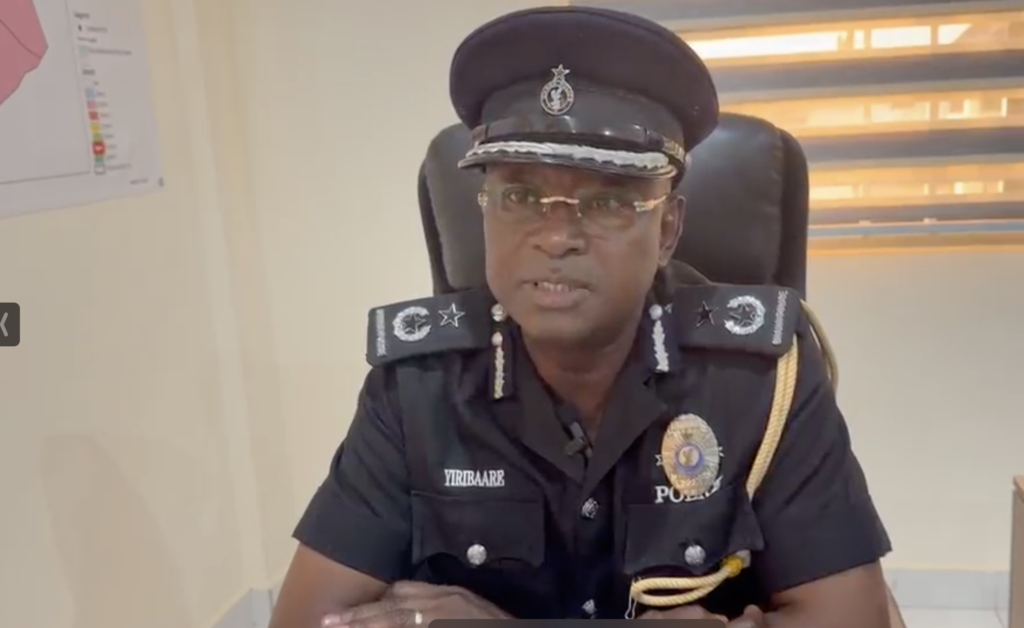
Kandau murder suspect Abu Tijani dies after arrest, Police Professional Standards Bureau launches investigation
- A key suspect, Abu Tijani (alias Master One), in the murder of two youth in Kandau, Upper West Region, died hours after his arrest on July 25, 2026.
- Tijani, who had been on the wanted list since May 2026, admitted involvement in the November 2025 killings during interrogation.
- He led police to an initial burial site and claimed the bodies were exhumed and moved across the Black Volta River into Burkina Faso by him and accomplices.
- The suspect complained of a severe headache while being escorted, was taken to the SDA Hospital in Wa, and pronounced dead hours later.
- The Police Professional Standards Bureau (PPSB) is investigating the circumstances of his death, and the Regional Police Command has engaged community leaders to appeal for calm and assure transparency.
July 28, 2026
EOCO witness insists GHc49.1m in NSB case came from state account
- An EOCO investigator testified in the GH¢49.1 million National Signals Bureau (NSB) trial that the account from which the funds were transferred was a state account.
- The defence counsel challenged this assertion, arguing that the 'Coordinator’s Account-NSC' was not a public account.
- The investigator, Frank Marshall Cromwell, maintained that the account was indeed a state account, opened for the operational activities of the Bureau of National Communications (NSB's predecessor).
- The prosecution alleges that the GH¢49.1 million, intended for a cyber defence system, was unlawfully diverted through a series of transactions involving private accounts.
- The trial's cross-examination of the fourth prosecution witness has been extensively prolonged, with the defence counsel indicating he is only 60% complete after six weeks.
July 28, 2026
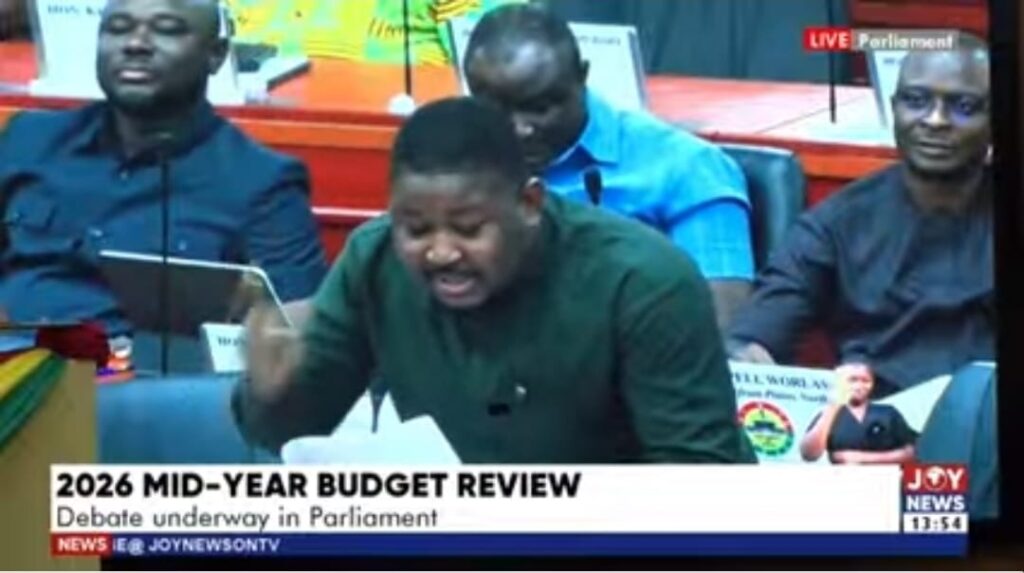
What temerity do you have to claim Ato Forson is not raising enough revenue? – Issah challenges Minority
- Sagnarigu MP Atta Issah defended Finance Minister Dr. Cassiel Ato Forson against Minority claims of insufficient revenue mobilization and inadequate spending.
- Issah presented official budget figures comparing revenue performance, showing the current administration's 2025 shortfall (GH¢3.46 billion) was smaller than the NPP's 2017-2019 shortfalls.
- He also compared expenditure execution rates, stating the current administration's 94.4% in 2025 was comparable to the NPP's rates (94.5%-96.5%) from 2017-2019.
- The MP cited IMF assessments describing the previous administration's 2017 revenue as "moderate" and expenditure as "restrained," with an overall "amber" rating.
- Atta Issah heavily criticized the Akufo-Addo administration's borrowing record, claiming it accumulated unprecedented national debt and insisted the current economy is on a path of recovery.