
Back to Latest Briefings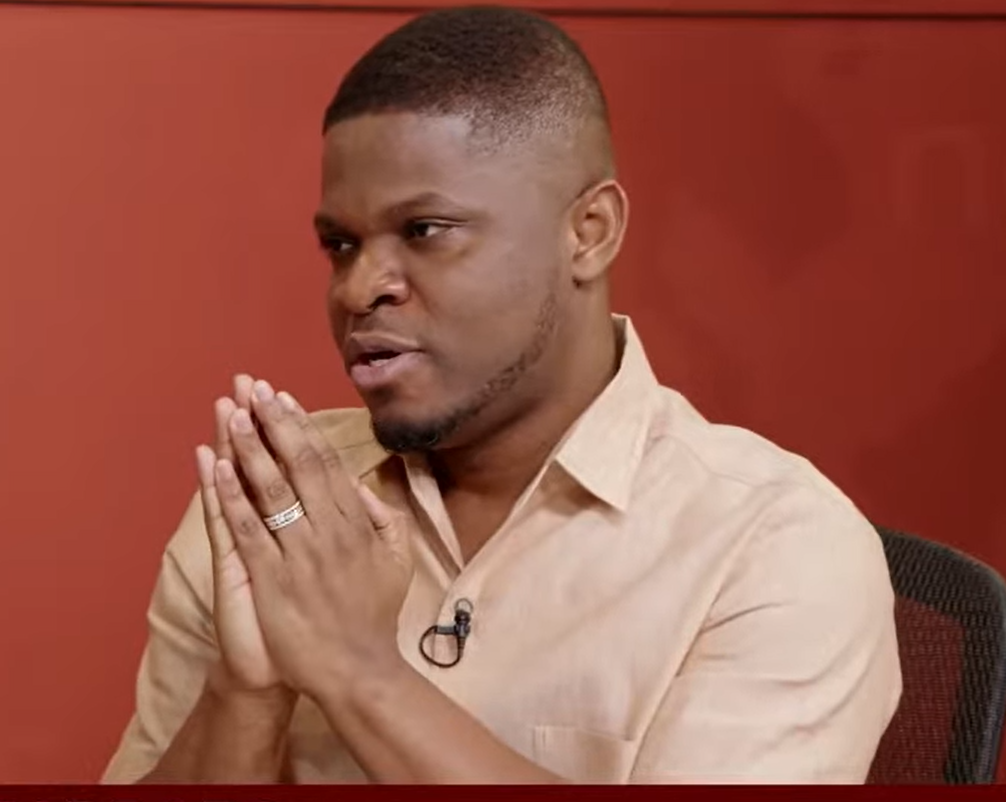
August 22, 2026
AI-Enhanced
‘We’re not milking the state like a parasite’ – Sammy Gyamfi defends GoldBod fees
Money
Policy
Key Points
- GoldBod CEO Sammy Gyamfi has rejected claims that the institution is financially dependent on the state.
- He insists GoldBod's revenue comes from legitimate, Parliament-approved fees charged for services provided to clients.
- Gyamfi clarified that GoldBod licenses over 1,000 operators and its generated revenue belongs to the state, not extracted from the government.
- He emphasized that GoldBod's finances are subject to government oversight, requiring Ministry of Finance approval for bank accounts.
- The CEO also rejected claims of significant losses under the Domestic Gold Purchase Programme, attributing any prior losses to the Bank of Ghana.
Why This Matters
This clarification from the GoldBod CEO is significant for Ghana as it addresses transparency and accountability concerns surrounding a crucial state institution in the nation's vital gold sector. It impacts public perception, investor confidence, and the overall understanding of how state entities manage their finances and contribute to the national economy.
Read Full Article
View original sourceRelated Articles
October 8, 2026
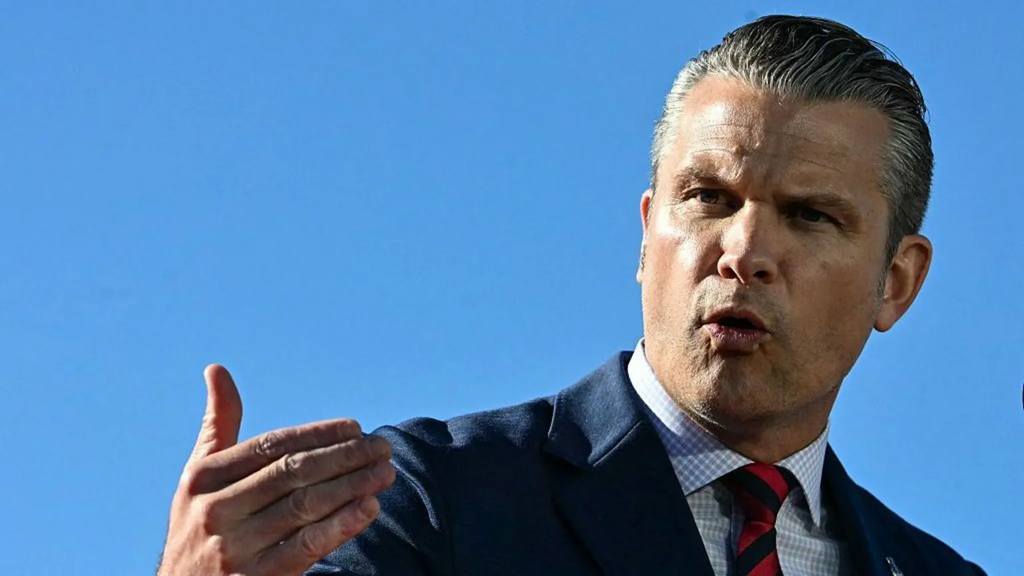
Fort Hood shooter’s execution by firing squad will be livestreamed, Pentagon says
- Former US Army major Nidal Hasan is scheduled for execution by firing squad on December 3rd for the 2009 Fort Hood shooting.
- The execution, approved by President Trump and recommended by the Defence Secretary, will be livestreamed and made public.
- Hasan fatally shot 13 unarmed US soldiers, claiming he was protecting Muslims and the Taliban.
- This marks the first US military execution in over 60 years and the first by firing squad since World War Two.
- Defence Secretary Pete Hegseth stated the public viewing is to emphasize serious consequences for such actions.
October 8, 2026
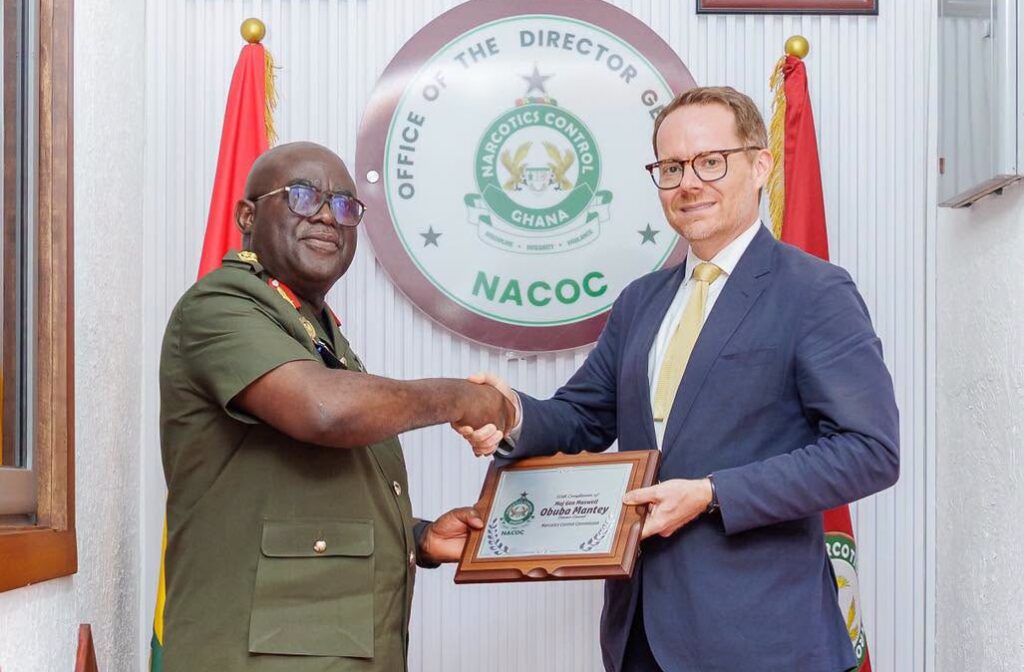
NACOC, INL deepen cooperation to combat drug trafficking and organised crime
- The United States and Ghana are enhancing cooperation to combat drug trafficking and organised crime.
- A US Department of State delegation, led by Andrew McDonald, met with Ghana's Narcotics Control Commission (NACOC) in Accra.
- The meeting focused on strengthening collaboration in intelligence sharing, capacity building, specialised training, and logistical support.
- NACOC Director-General requested increased training opportunities for officers in intelligence, investigations, and prosecution.
- The US reaffirmed its commitment to providing specialised training and logistical assistance to boost NACOC's operational capacity.
October 8, 2026
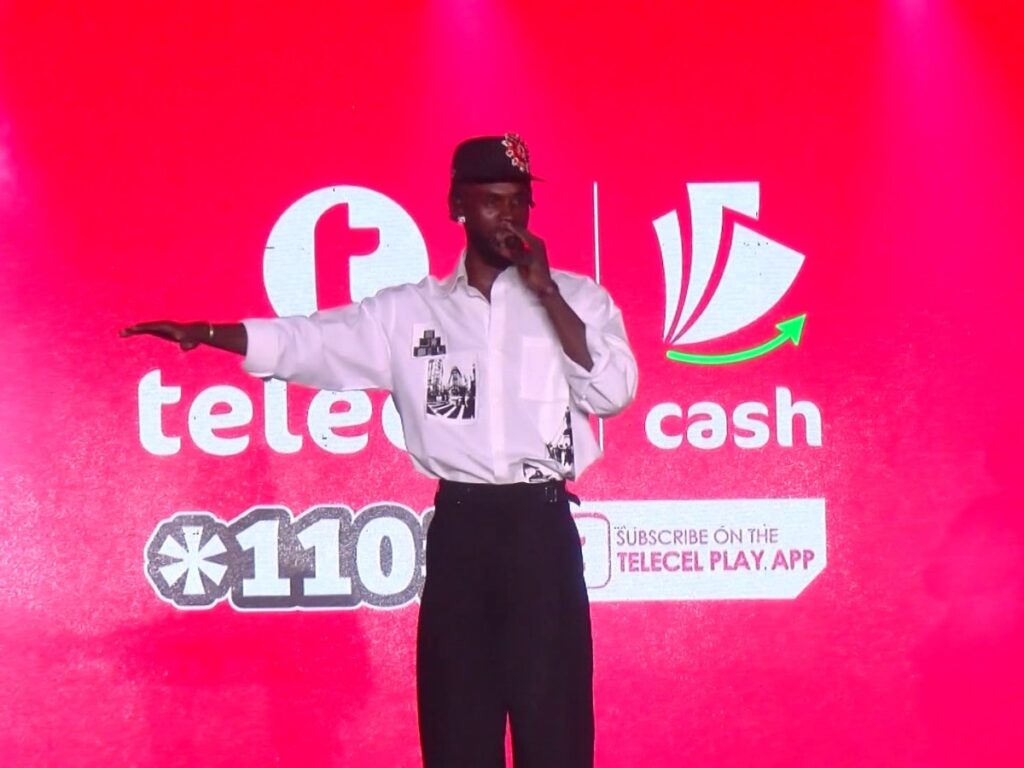
Telecel Ghana unveils Project X with Black Sherif partnership
- Telecel Ghana has launched 'Project X' in partnership with Ghanaian music star Black Sherif.
- The initiative aims to engage young people and promote the Telecel Cash mobile money platform.
- Black Sherif will deliver monthly surprises, including special codes, free transactions, gifts, and rewards, via his social media platforms.
- Telecel Ghana's CEO, Ing. Patricia Obo-Nai, emphasized the security of Telecel Cash, assuring customers their funds are protected.
- Project X seeks to deepen customer engagement and encourage greater use of the Telecel Cash wallet and Telecel Play app.