
Back to Latest Briefings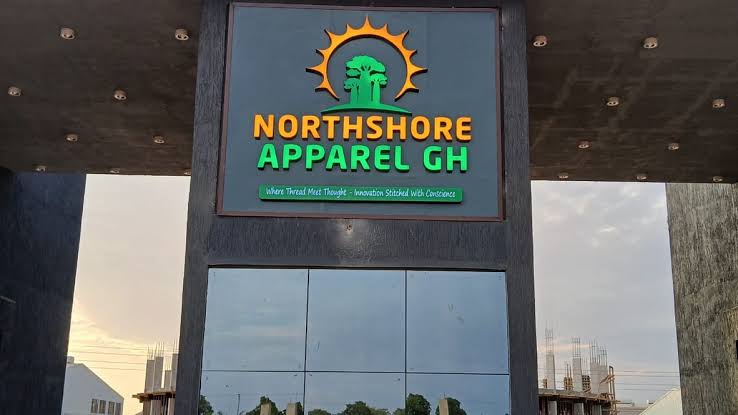
August 28, 2026
AI-Enhanced
Northshore Apparel factory creates 3,000 jobs, targets 10,000 at full capacity
Money
Policy
Opportunity
Growth
Key Points
- The newly commissioned Northshore Apparel Ghana factory in Savelugu has immediately created 3,000 jobs, with a projection of 10,000 direct jobs at full operational capacity.
- The Ghana Export-Import Bank (GEXIM) is the sole funding source for the factory, partnering with Germany's KfW Development Bank and project promoters.
- The facility features 50 sewing lines, a 4,000-square-metre cutting and design centre, extensive warehouses, and a 500-kilowatt peak solar power system.
- It also includes an on-site clinic, crèche, disability-friendly amenities, a biodigester, and a large underground water facility.
- The factory is expected to generate significant indirect business opportunities in supporting sectors like transportation, food services, and logistics, contributing to local economic development and foreign exchange.
Why This Matters
This development is highly significant for Ghana as it directly addresses unemployment, particularly in the Northern Region, by providing thousands of immediate and future job opportunities. It underscores a strategic push for industrial development and economic transformation, strengthening local economies through increased income, and boosting Ghana's capacity for export and foreign exchange earnings.
Read Full Article
View original sourceRelated Articles
October 12, 2026
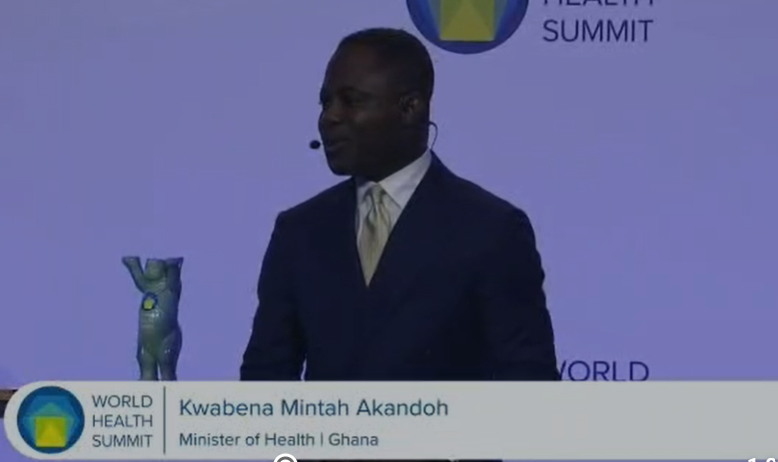
Global health must be led by countries, not designed for them – Mintah Akandoh
- Ghana has renewed its call for a country-led global health system, advocating for international health policies to be designed with, not imposed on, nations.
- This position follows Ghana's rejection of a proposed US$109 million health compact with the United States over concerns regarding health data, financing obligations, and regulatory authority.
- President Mahama highlighted issues with provisions related to Ghana’s pathogen profile, citizens’ medical records, counterpart funding, and restrictions on the Food and Drugs Authority.
- Ghana emphasizes health sovereignty, strengthening domestic capacity, and building resilience to health emergencies through initiatives like the Mahama Cares programme and increased domestic resource mobilisation.
- The US has approached Ghana to review the rejected compact, with Ghana indicating readiness to engage on provisions it deems unacceptable, keeping the discussion open.
October 12, 2026
84 suspected drug offenders in custody as NACOC freezes nearly 73 assets – Muntaka
- Ghana's Interior Minister disclosed that 84 people are in custody facing narcotics charges.
- Approximately 73 suspected assets linked to individuals under investigation have been frozen.
- The judiciary and Attorney-General's Department are supporting reforms, including dedicated courts for narcotics cases.
- The Narcotics Control Commission (NACOC) has been granted direct prosecutorial powers, allowing its officers to handle cases.
- A new approach to asset recovery involves identifying and securing suspected proceeds of crime earlier in investigations, with assets transferable to the state upon conviction.
October 12, 2026
Ashanti cocoa farmers welcome new COCOBOD Act
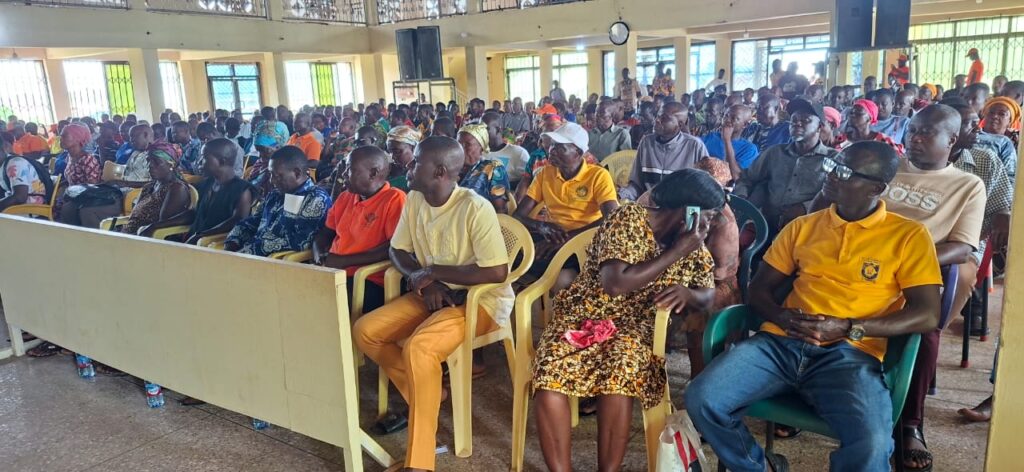
- Cocoa farmers and traditional leaders in the Ashanti Region expressed satisfaction with the Ghana Cocoa Board Act, 2026 (Act 1182), following engagements with COCOBOD.
- Participants acknowledged the rationale behind the new cocoa producer price, despite initial expectations for a higher amount, after receiving explanations on the determination process.
- They called for sustained public education on the new Act, particularly provisions protecting farmlands from illegal mining and unauthorized sand winning, and urged depoliticization of cocoa issues.
- Farmers requested improvements in the free distribution of agricultural inputs, speedy implementation of the Farmer Pension Scheme, and transparency in the cocoa tertiary education scholarship scheme.
- COCOBOD committed to continuous dialogue and stakeholder participation, with further engagements planned on input distribution and disease control, and will submit farmer concerns to management.