
Back to Latest Briefings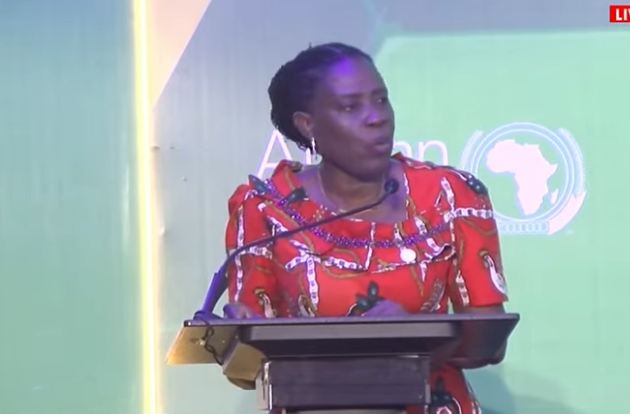

July 21, 2026
AI-Enhanced
Training health workers without employing them is a loss of public investment, AU Commissioner says
Money
Policy
Opportunity
Growth
Key Points
- African Union Commissioner, Ambassador Amma Twum-Amoah, highlighted the paradox of health worker shortages alongside unemployment among trained professionals.
- Speaking at a summit in Accra, she urged greater investment in Africa's health workforce.
- The Commissioner called for strengthening recruitment and retention efforts across the health sector.
- She emphasized ensuring sustainable employment, fair remuneration, and career opportunities beyond just training.
- Ambassador Twum-Amoah also stressed improving working conditions to combat the migration of skilled health workers from the continent.
Why This Matters
This article is highly relevant to Ghana as the African Union Extraordinary Health Summit was hosted in Accra, indicating Ghana's direct engagement with these continental health challenges. Ghana, like many African nations, grapples with issues of health professional unemployment, retention, and brain drain. Addressing these concerns through policy and investment, as advocated by the Commissioner, is crucial for strengthening Ghana's healthcare system and improving public health outcomes.
Read Full Article
View original sourceRelated Articles
September 4, 2026
Bawumia engages chartered economists on data-driven path to jobs, digital growth
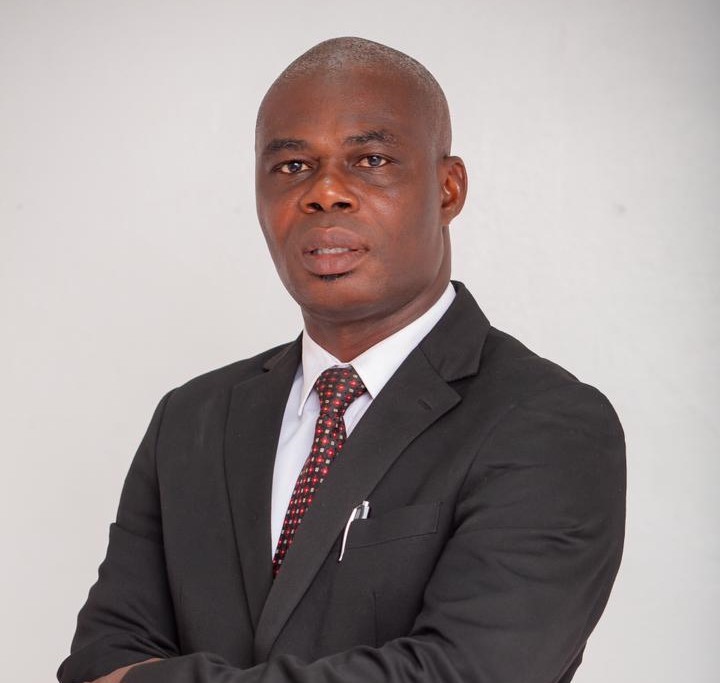
- Dr. Mahamudu Bawumia, NPP Presidential candidate, held a landmark engagement with the Institute of Chartered Economists, Ghana (ICEG) to shape his 2028 election policies.
- Bawumia pledged a consultative, evidence-driven approach to policy formulation, reversing the traditional method of engaging experts only after assuming power.
- He outlined a bold economic agenda focused on reforming the business environment, modernizing the tax system, and scaling the digital economy for inclusive growth.
- The candidate challenged ICEG to help safeguard jobs from AI, expand youth opportunities, and address the issue of unregistered properties to unlock a mortgage economy.
- ICEG leadership welcomed the collaboration, highlighting their mandate for evidence-based policy and seeking parliamentary establishment for the Institute.
September 3, 2026
Economist calls for re-engineering of e-levy
- Economist Rev. Dr. Samuel Worlanyo Mensah advocates for the re-engineering and reintroduction of the e-Levy as a funding source for Ghana's development programs.
- He argues that global economic uncertainties and high public expectations necessitate sustainable, homegrown revenue mobilization strategies, including digital economy taxation.
- The e-Levy was initially introduced in May 2022 by the NPP government but was repealed in April 2025 by the NDC government under President Mahama, fulfilling a campaign promise.
- Dr. Mensah suggests that a re-engineered e-Levy, with stronger accountability, transparency, and clear links to specific development projects (like the 'Big Push'), could gain public acceptance.
- He proposes public engagement through town hall meetings to build consensus and improve understanding, stressing the need for Ghana to finance its development domestically rather than relying on external sources.
September 4, 2026
Ghana cannot afford complacency over extremist threats – Agalga
- Majority Leader James Agalga warns Ghana against a false sense of security despite regional extremism.
- Ghana's proximity to conflict zones exposes it to transnational security threats requiring increased vigilance.
- 47 cross-border incursions and over 300 arrests for extremist recruitment were recorded along the northern border between 2023-2025.
- Agalga emphasized the need for stronger border protection, intelligence gathering, and inter-agency coordination.
- Cybercrime and fraud cases increased by 12.3% in 2024, highlighting a shift towards non-traditional security challenges.