
Back to Latest Briefings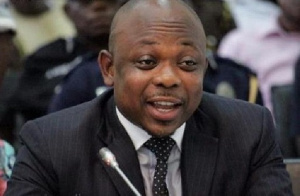
September 4, 2026
AI-Enhanced
Ghana cannot afford complacency over extremist threats – Agalga
Policy
Growth
Key Points
- Majority Leader James Agalga warns Ghana against a false sense of security despite regional extremism.
- Ghana's proximity to conflict zones exposes it to transnational security threats requiring increased vigilance.
- 47 cross-border incursions and over 300 arrests for extremist recruitment were recorded along the northern border between 2023-2025.
- Agalga emphasized the need for stronger border protection, intelligence gathering, and inter-agency coordination.
- Cybercrime and fraud cases increased by 12.3% in 2024, highlighting a shift towards non-traditional security challenges.
Why This Matters
This article highlights critical national security threats facing Ghana, including violent extremism and cybercrime. The stability and security of Ghana are paramount for its economic development, foreign investment, and overall societal well-being. Unchecked security challenges could destabilize the nation, disrupt livelihoods, and hinder progress.
Read Full Article
View original sourceRelated Articles
September 3, 2026
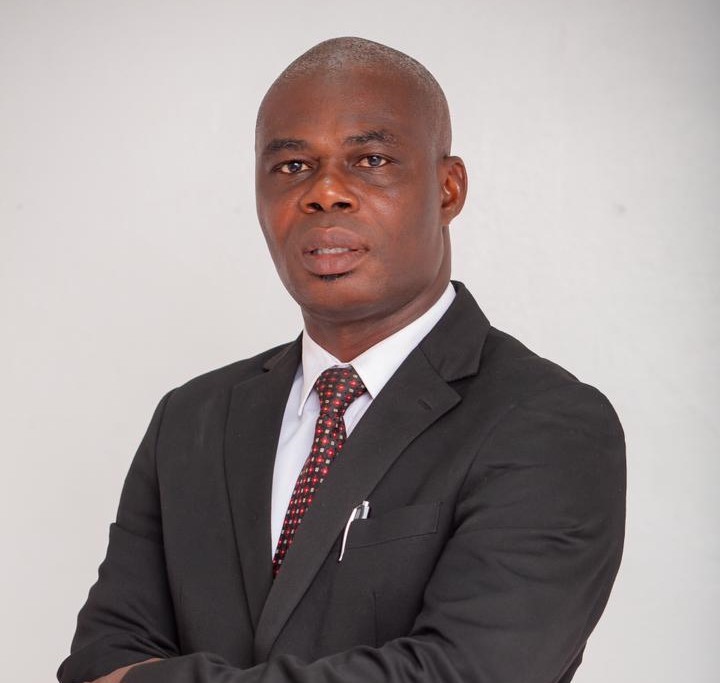
Economist calls for re-engineering of e-levy
- Economist Rev. Dr. Samuel Worlanyo Mensah advocates for the re-engineering and reintroduction of the e-Levy as a funding source for Ghana's development programs.
- He argues that global economic uncertainties and high public expectations necessitate sustainable, homegrown revenue mobilization strategies, including digital economy taxation.
- The e-Levy was initially introduced in May 2022 by the NPP government but was repealed in April 2025 by the NDC government under President Mahama, fulfilling a campaign promise.
- Dr. Mensah suggests that a re-engineered e-Levy, with stronger accountability, transparency, and clear links to specific development projects (like the 'Big Push'), could gain public acceptance.
- He proposes public engagement through town hall meetings to build consensus and improve understanding, stressing the need for Ghana to finance its development domestically rather than relying on external sources.
September 4, 2026
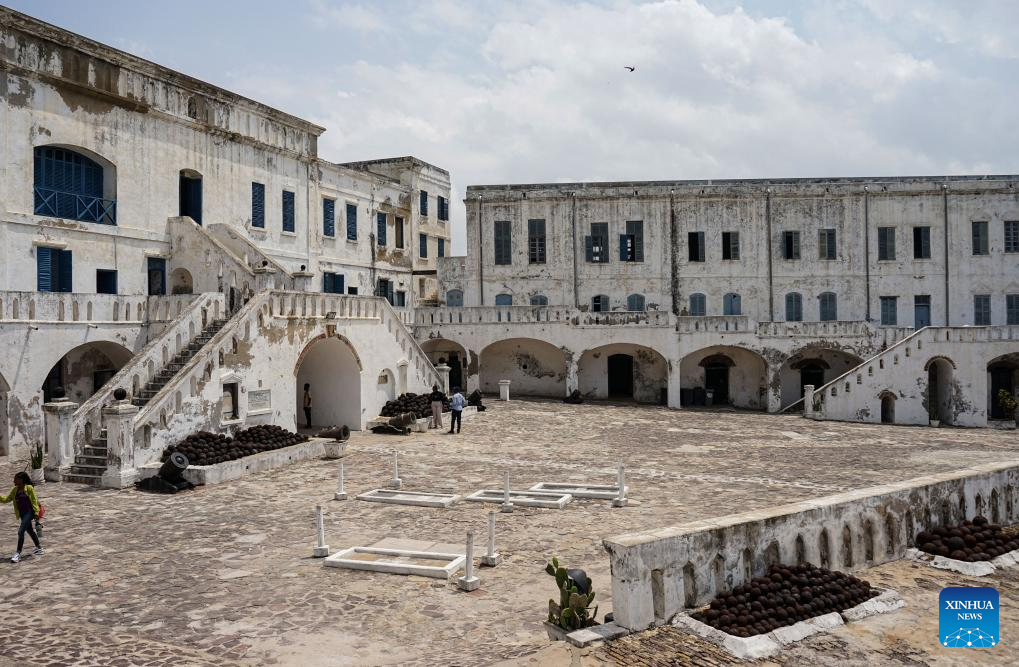
Ghana has duty to preserve slave-trade sites and tell their full story – Vice President
- Vice President Opoku-Agyemang emphasized Ghana's responsibility to protect and honestly interpret its historic forts, castles, and sites linked to the transatlantic slave trade.
- She stressed that preserving the physical evidence is crucial for future generations to understand the scale of injustice and the experiences of enslaved Africans.
- Her remarks followed the UN General Assembly's adoption of a resolution recognizing the trafficking of enslaved Africans as the gravest crime against humanity.
- Prof. Opoku-Agyemang also highlighted the importance of preserving lesser-known sites of African resistance to enslavement across Ghana, such as Assin Manso, Sankana, and Golu.
- She linked the preservation of these sites to the broader reparatory justice agenda and strengthening ties between Africa and the diaspora.
September 4, 2026
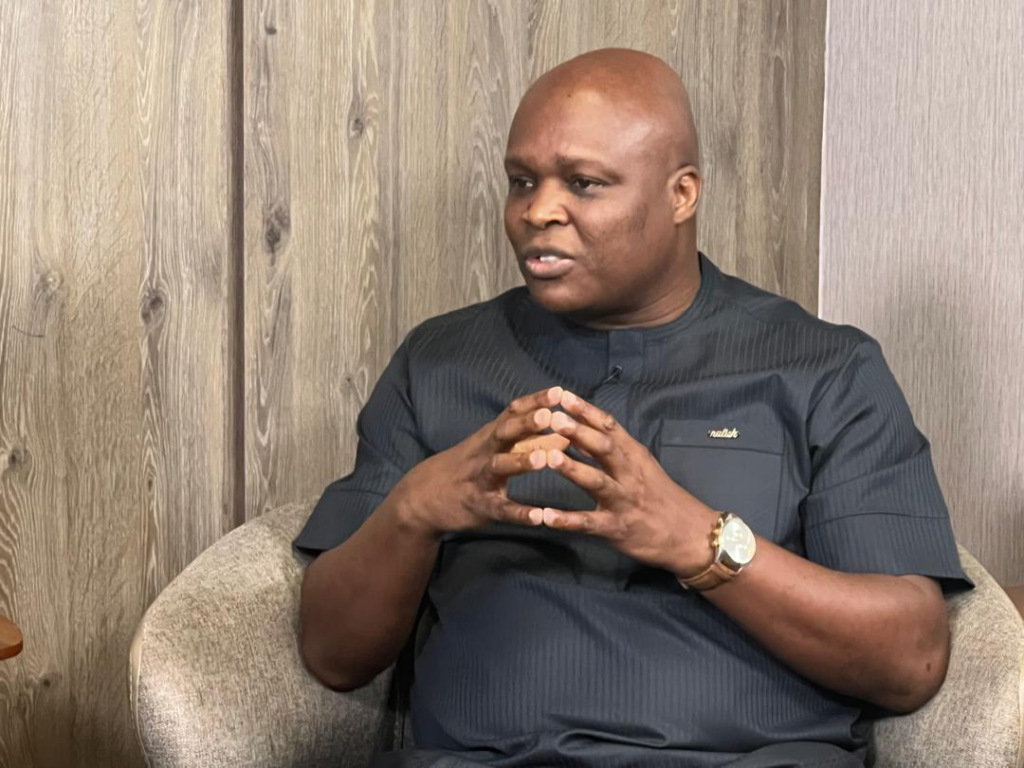
DBG takes GH¢2.5bn development funding beyond Accra as it pushes industrial transformation
- The Development Bank Ghana (DBG) has disbursed over GH¢2.5 billion since its inception, reaching nearly 1,000 businesses across the country.
- Over 60% of the funding has supported women-led and women-owned businesses, with more than half directed towards agribusiness, agriculture, and manufacturing.
- Approximately 50% of beneficiary businesses are located outside the Greater Accra Region, with DBG having a presence in almost every region.
- DBG's strategic focus areas, guided by data, include agriculture, manufacturing, ICT, and high-value services such as education, health, transportation, and tourism.
- Agriculture is a primary focus due to its potential for job creation, strengthening food security, and easing economic pressures, with investments in key value chains like maize, rice, and poultry.