
Back to Latest Briefings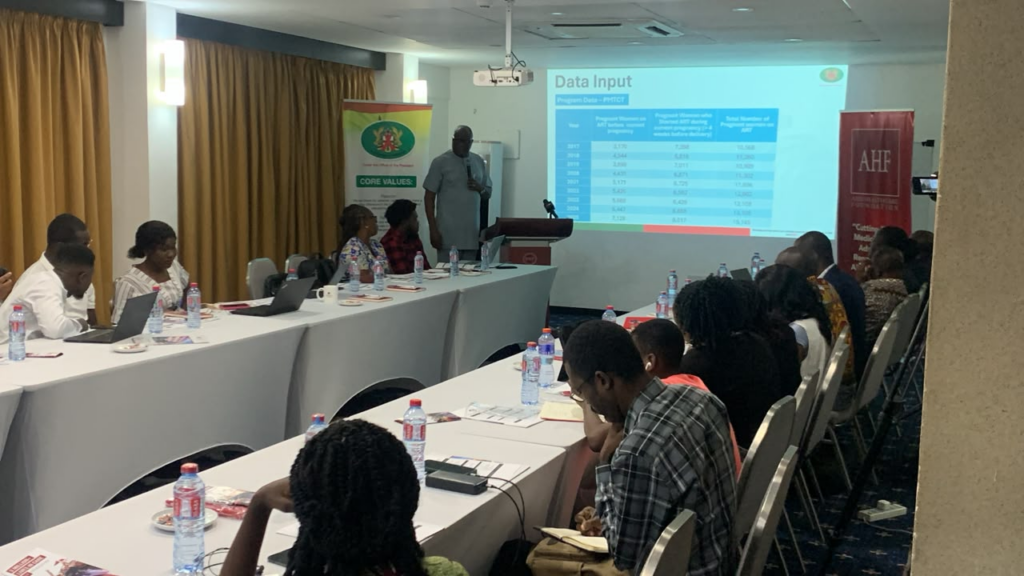


August 4, 2026
AI-Enhanced
Adopting responsible HIV reporting key to reducing stigma and strengthening advocacy
Policy
Opportunity
Key Points
- The Ghana AIDS Commission (GAC) and AIDS Healthcare Foundation (AHF) urged stronger media engagement to end AIDS as a public health threat.
- A media engagement program focused on improving HIV reporting, addressing stigma, and promoting accurate public awareness.
- Dr. Kharmacelle Prosper Akanbong, GAC Director General, highlighted the media's critical role in shaping public perceptions and influencing behaviors to save lives.
- He called for sustained commitment from media practitioners for responsible HIV reporting to reduce stigma and increase demand for services.
- Dr. Elia E. Houphouët of AHF advised journalists to adopt intentional and sensitive approaches, avoiding sensationalism and reinforcing stereotypes, to protect the dignity of people living with HIV.
Why This Matters
This initiative is crucial for Ghana's public health landscape as effective media engagement can significantly reduce HIV stigma, increase demand for services, and promote healthy behaviors. By influencing public perception and discourse, it aims to accelerate the nation's progress towards eradicating AIDS as a public health threat. It underscores the vital role of communication strategies in achieving national health objectives and fostering social change.
Read Full Article
View original sourceRelated Articles
November 3, 2026
8% pay rise: Workers will be better off in real terms— Dr Acheampong
- Public sector workers in Ghana are projected to experience real income improvements due to easing inflation preserving their purchasing power.
- Dr. Theo Acheampong of the Ministry of Finance stresses that the true measure of a salary adjustment is its real value after accounting for inflation, not just the nominal percentage.
- Historical data shows that in several past years, inflation significantly outpaced wage adjustments, leading to a decline in workers' real incomes.
- The trend is expected to reverse from 2025 onwards, with projected moderate inflation rates allowing for real wage gains despite seemingly lower nominal increases.
- The government's strategy focuses on sustainable wage adjustments coupled with inflation control to ensure workers' ability to meet their needs effectively.
November 2, 2026
Daily Insight for CEOs: The CEO’s Role in Driving Year-End Performance
- CEOs must intensify their focus in November and December to deliver strategic commitments and close performance gaps.
- Effective year-end performance relies on clear priorities, timely decisions, executive ownership, and consistent monitoring, not just pressure.
- Key strategies include reviewing organizational performance against targets and identifying critical results for delivery by December 31.
- CEO leadership actions involve convening executive teams to identify 3-5 top priorities and assign measurable outcomes to responsible executives.
- The final two months significantly influence an organization’s annual results, stakeholder confidence, and readiness for the next financial year.
November 2, 2026
More jobs, better pay: The budget Ghanaian workers deserve
- The upcoming national budget is highly anticipated, with job creation expected to be a major focus for Ghana.
- Ghana faces a dual challenge: persistent high unemployment/underemployment and a growing number of employed individuals who are poorly paid.
- The current national daily minimum wage (approx. GH₵550/month) is highlighted as insufficient for a decent standard of living amidst rising costs of basic necessities.
- The article advocates for the budget to simultaneously address sustainable job creation and a significant upward adjustment of the national minimum wage, arguing against incremental increases.
- It suggests that higher wages can stimulate economic growth through increased consumer spending and proposes complementary measures for businesses like tax incentives and affordable financing.