
Back to Latest Briefings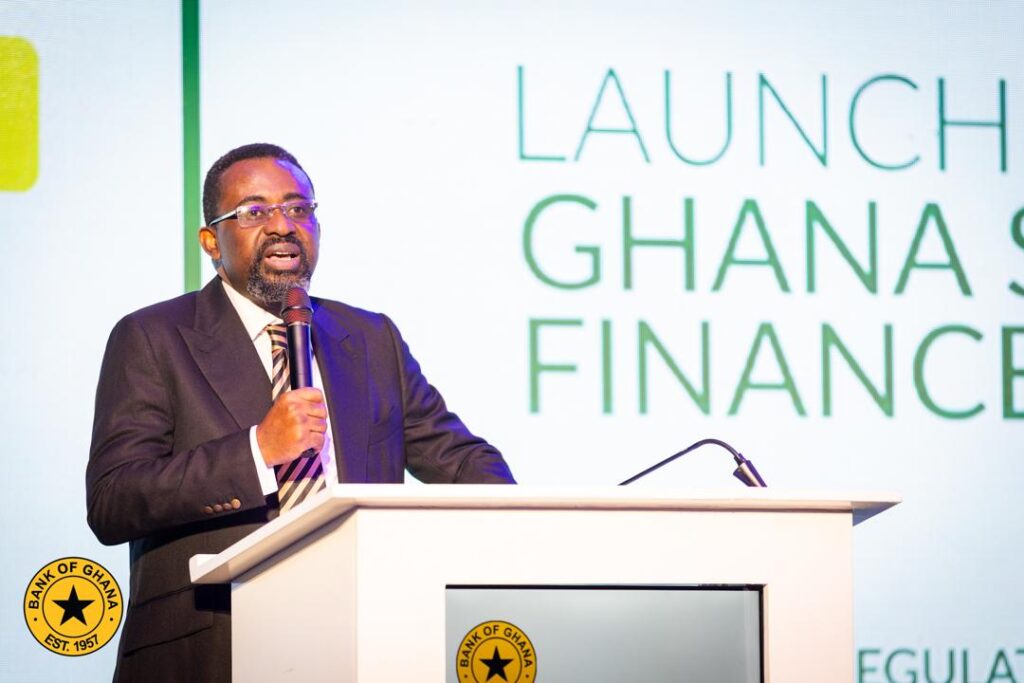

June 30, 2026
AI-Enhanced
BoG pushes financial regulators to unite as Ghana launches Sustainable Finance Roadmap
Money
Policy
Opportunity
Growth
Key Points
- The Governor of the Bank of Ghana (BoG) emphasized the need for stronger collaboration among all financial regulators (banking, insurance, pensions, capital markets) to address systemic climate and sustainability risks.
- The Ghana Sustainable Finance Roadmap has been launched, aiming to integrate sustainability across the financial sector through coordinated regulatory action.
- Sustainable finance is highlighted as a key pillar for financial stability, investment, and economic resilience, moving beyond a voluntary initiative.
- The initiative is crucial for attracting global investors who prioritize Environmental, Social, and Governance (ESG) standards, thereby strengthening Ghana's financial system and attracting new capital.
- The BoG has a history of sustainability efforts, including the 2019 Sustainable Banking Principles, and has introduced a 2024–2028 Sustainability and Climate-related Risk Strategic Plan and a Climate-related Financial Risk Directive.
Why This Matters
This initiative is crucial for Ghana as it aims to fortify the country's financial system against growing climate and sustainability risks, ensuring long-term stability and resilience. By aligning with global ESG standards, Ghana positions itself to attract significant international investment, which is vital for economic development and adaptation to climate change impacts.
Read Full Article
View original sourceRelated Articles
October 8, 2026
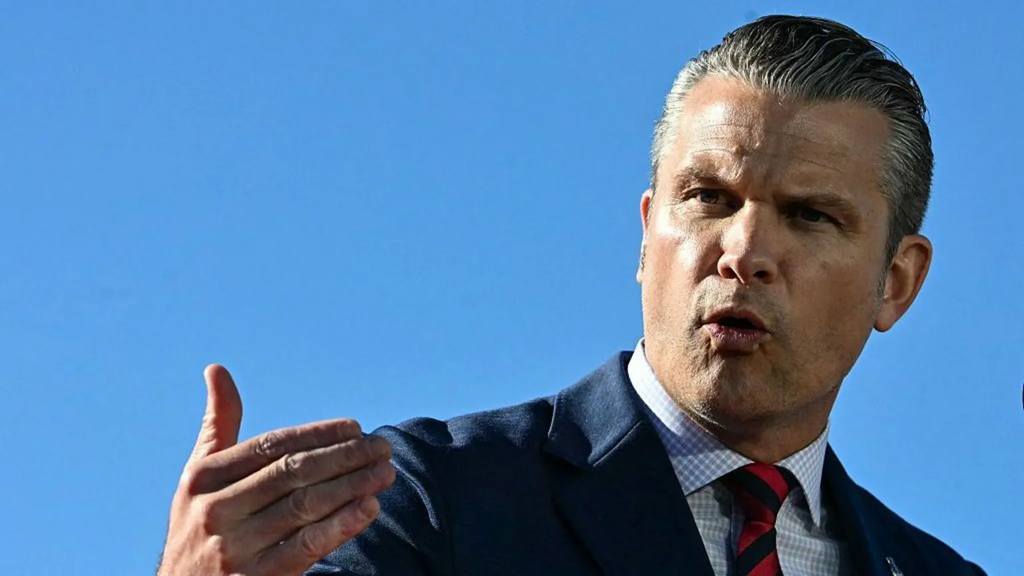
Fort Hood shooter’s execution by firing squad will be livestreamed, Pentagon says
- Former US Army major Nidal Hasan is scheduled for execution by firing squad on December 3rd for the 2009 Fort Hood shooting.
- The execution, approved by President Trump and recommended by the Defence Secretary, will be livestreamed and made public.
- Hasan fatally shot 13 unarmed US soldiers, claiming he was protecting Muslims and the Taliban.
- This marks the first US military execution in over 60 years and the first by firing squad since World War Two.
- Defence Secretary Pete Hegseth stated the public viewing is to emphasize serious consequences for such actions.
October 8, 2026
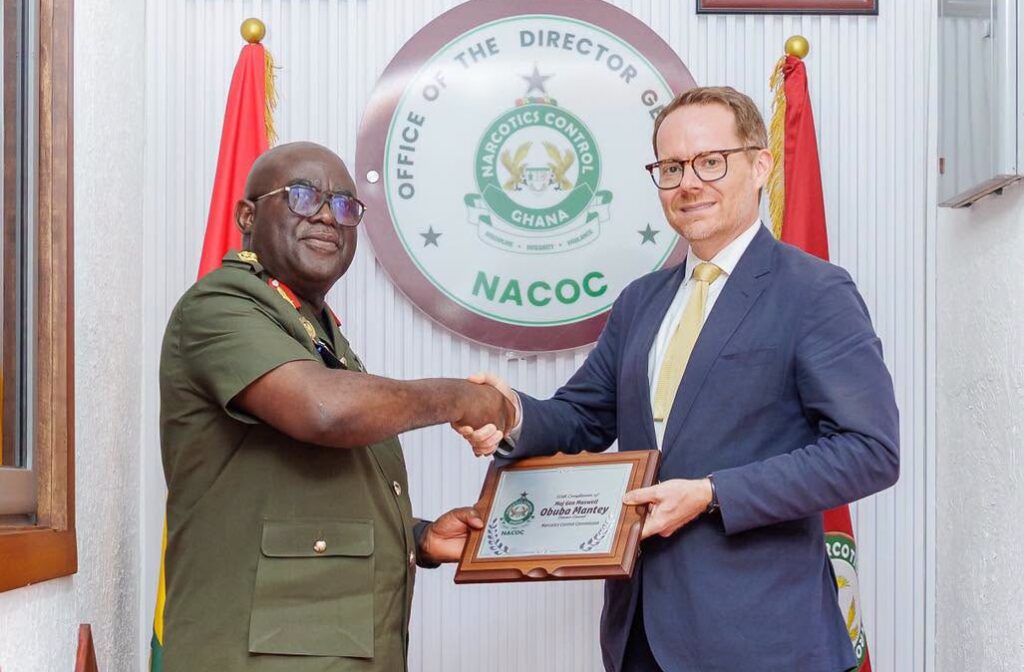
NACOC, INL deepen cooperation to combat drug trafficking and organised crime
- The United States and Ghana are enhancing cooperation to combat drug trafficking and organised crime.
- A US Department of State delegation, led by Andrew McDonald, met with Ghana's Narcotics Control Commission (NACOC) in Accra.
- The meeting focused on strengthening collaboration in intelligence sharing, capacity building, specialised training, and logistical support.
- NACOC Director-General requested increased training opportunities for officers in intelligence, investigations, and prosecution.
- The US reaffirmed its commitment to providing specialised training and logistical assistance to boost NACOC's operational capacity.
October 8, 2026
Telecel Ghana unveils Project X with Black Sherif partnership
- Telecel Ghana has launched 'Project X' in partnership with Ghanaian music star Black Sherif.
- The initiative aims to engage young people and promote the Telecel Cash mobile money platform.
- Black Sherif will deliver monthly surprises, including special codes, free transactions, gifts, and rewards, via his social media platforms.
- Telecel Ghana's CEO, Ing. Patricia Obo-Nai, emphasized the security of Telecel Cash, assuring customers their funds are protected.
- Project X seeks to deepen customer engagement and encourage greater use of the Telecel Cash wallet and Telecel Play app.