
Back to Latest Briefings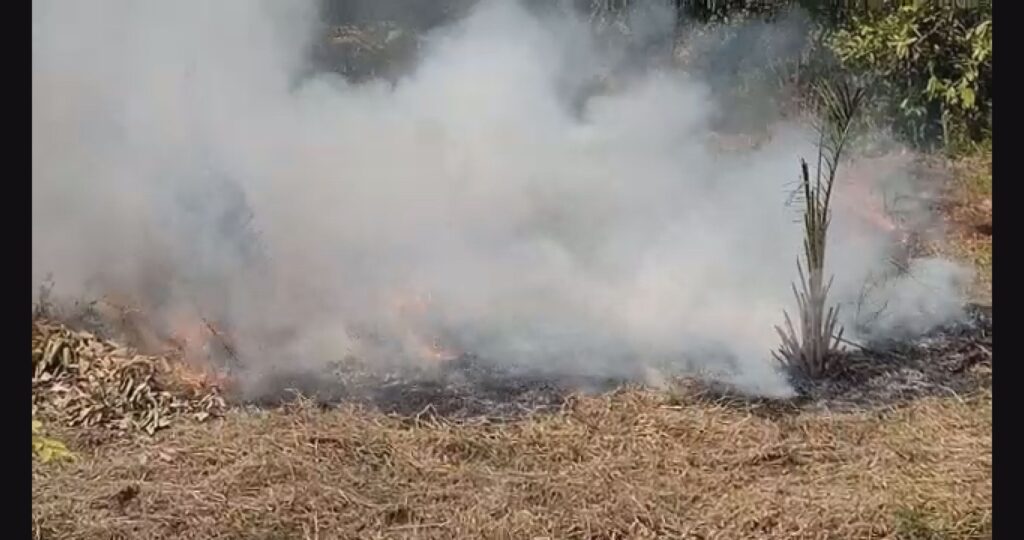


May 29, 2026
AI-Enhanced
Ghana farmers’ burning practices fuel growing air pollution and environmental crises
Money
Policy
Opportunity
Growth
Key Points
- Widespread burning of crop waste and trees for land clearing in Ghana is causing a severe public health and environmental crisis.
- The practice releases smoke levels over 100 times the WHO safety threshold, leading to respiratory illnesses, vision loss, and other chronic conditions for farmers and nearby communities.
- Environmentally, it depletes soil nutrients, reduces fertility, contaminates water, destroys ecosystems, and contributes to climate change, threatening long-term food security.
- Smallholder farmers continue burning due to the high cost of alternatives like weedicides and machinery, despite knowing the health risks.
- Experts advocate for agroecological farming methods and stricter enforcement of Ghana’s Bushfire Prevention and Control Act, but weak enforcement and lack of resources hinder progress.
Why This Matters
This issue is critical for Ghana as it directly impacts public health, leading to a surge in respiratory diseases and chronic conditions across communities. It also poses a significant threat to the nation's food security by degrading arable land and increasing reliance on imported inputs, while exacerbating climate change. Addressing this requires urgent policy intervention, economic support for farmers to adopt sustainable alternatives, and robust public education to safeguard both human well-being and agricultural sustainability.
Read Full Article
View original sourceRelated Articles
October 12, 2026
“NSA did not tell us of any embassy arrangement” – Kofi Adams
- Sports Minister Kofi Adams denies knowledge of any visa arrangements between the National Sports Authority (NSA) and the US Embassy for the 2026 FIFA World Cup.
- The controversy involves the NSA, Ghana Tourism Authority (GTA), and private entity TRIBE Culture Fest, prompting calls for investigations into officials.
- Mr. Adams clarified that NSA and GTA employees on official government business require diplomatic visas, distinct from the B1/B2 visitor visas for Ghana Football Association (GFA) affiliates.
- The minister acknowledged NSA engagements with the embassy but insisted they were unrelated to visa issuance.
- The Minority in Parliament has called for a broader investigation, and the Criminal Investigations Department (CID) is probing the allegations, extending accountability beyond the former NSA Director-General.
October 12, 2026
“US Embassy introduced TRIBE Culture Fest to NSA, GTA” – Kofi Adams
- Sports Minister Kofi Adams revealed the US Embassy introduced TRIBE Culture Fest to the National Sports Authority (NSA) and Ghana Tourism Authority (GTA) for 2026 World Cup activities.
- This disclosure emerged amid a visa controversy involving TRIBE Culture Fest, the NSA, and the GTA.
- Adams clarified his ministry was not involved in the initial introduction and was not informed by the NSA about any agreements with the US Embassy concerning visas.
- The Sports Ministry previously forwarded an NSA request for visa support for 90 people but denies selecting applicants or guaranteeing approvals.
- The Minority in Parliament has called for a broader investigation into all parties involved, citing questions beyond a single official.
October 11, 2026
Delta-BCI partnership reaches 166,000 people with breast cancer education
- Delta Air Lines and Breast Care International (BCI) celebrated a decade-long partnership in Ghana.
- The collaboration has educated over 166,000 people on breast cancer, screened more than 22,500, and identified nearly 2,100 suspected cases.
- Targeted rural initiatives reached over 70,100 women, expanding awareness and screening beyond major urban centers.
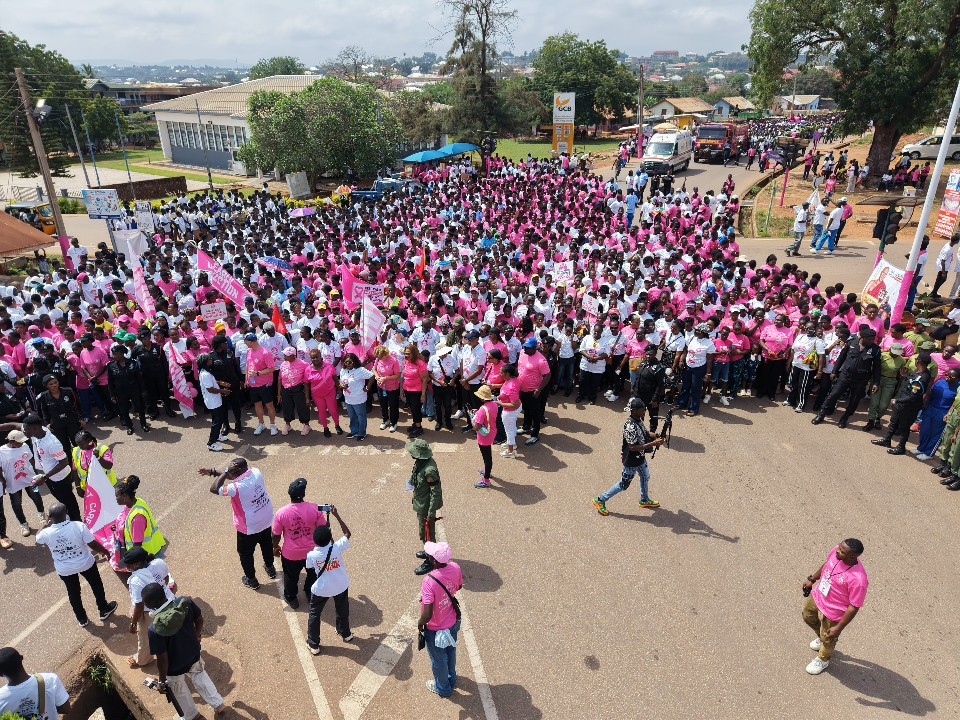
- The 10th anniversary event, the 2026 BCI Walk for the Cure, was held in Mampong, Ashanti Region, emphasizing collective action and reaching underserved communities.
- Both organizations affirmed their commitment to expanding breast cancer education, screening, and encouraging timely medical attention in the next decade.