
Back to Latest Briefings
June 12, 2026
AI-Enhanced
Built environment professionals call for metropolitan governance reforms to address Ghana’s urban challenges
Money
Policy
Opportunity
Growth
Key Points
- Built environment professionals in Ghana are calling for urgent reforms to the country's metropolitan governance system.
- The call addresses pressing urban challenges like infrastructure, transportation, sanitation, flooding, and land-use management.
- Experts from various institutions highlighted that fragmented governance, despite decentralization, hinders coordinated planning and service delivery across urban areas.
- They advocate for integrated metropolitan governance frameworks, transcending administrative boundaries, and stronger implementation of existing legislative frameworks.
- Participants plan to develop a Joint Position Paper with policy recommendations and establish a collaborative platform for ongoing engagement on urban development.
Why This Matters
Ghana's rapid urbanization is creating significant challenges that current governance structures are ill-equipped to handle, impacting quality of life and hindering sustainable development. Reforms in metropolitan governance are critical to effectively manage urban growth, ensure efficient infrastructure delivery, and create resilient cities capable of supporting the nation's economic progress and well-being of its citizens.
Read Full Article
View original sourceRelated Articles
July 28, 2026
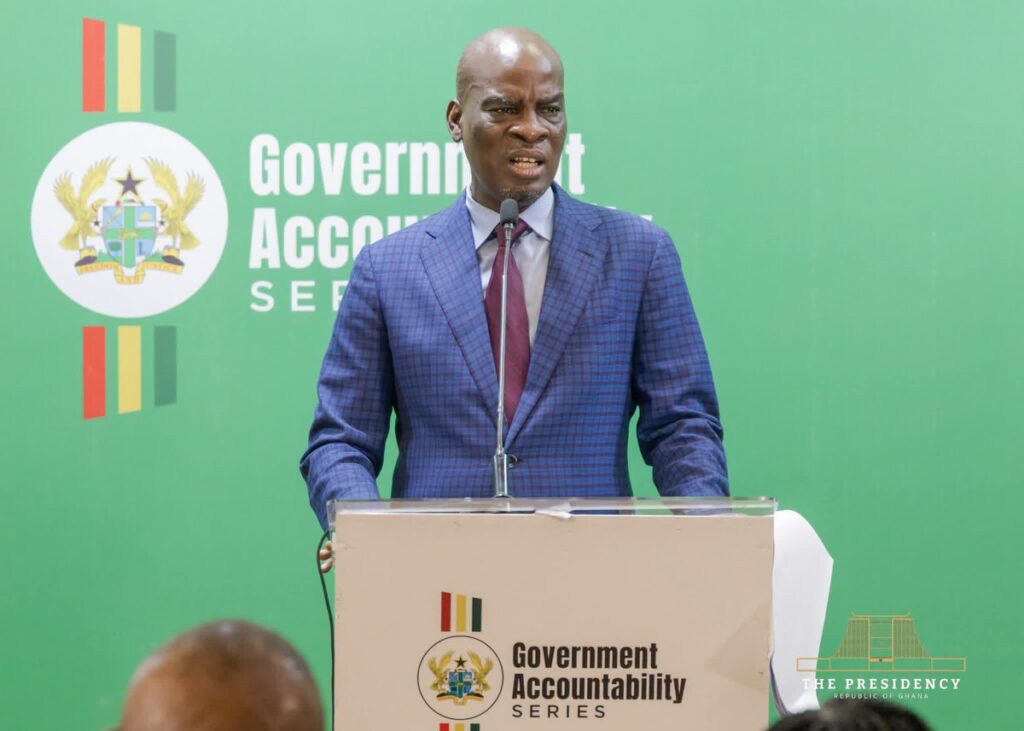
Education Minister pledges to end double-track system within 24 months
- Ghana's government pledges to eliminate the double-track education system within 24 months to enhance secondary education quality.
- A $300 million World Bank facility will support this initiative, focusing on expanding secondary school infrastructure.
- The Minority in Parliament criticizes the loan, alleging it funds the Free SHS program and signals economic mismanagement post-IMF.
- The government refutes these claims, insisting the World Bank facility is solely for infrastructure development and quality improvement, not Free SHS funding.
- Additional reforms include a GH¢3.4 billion GETFund allocation for student feeding, strengthening teacher professionalism, curriculum review, and boosting STEM education.
July 28, 2026
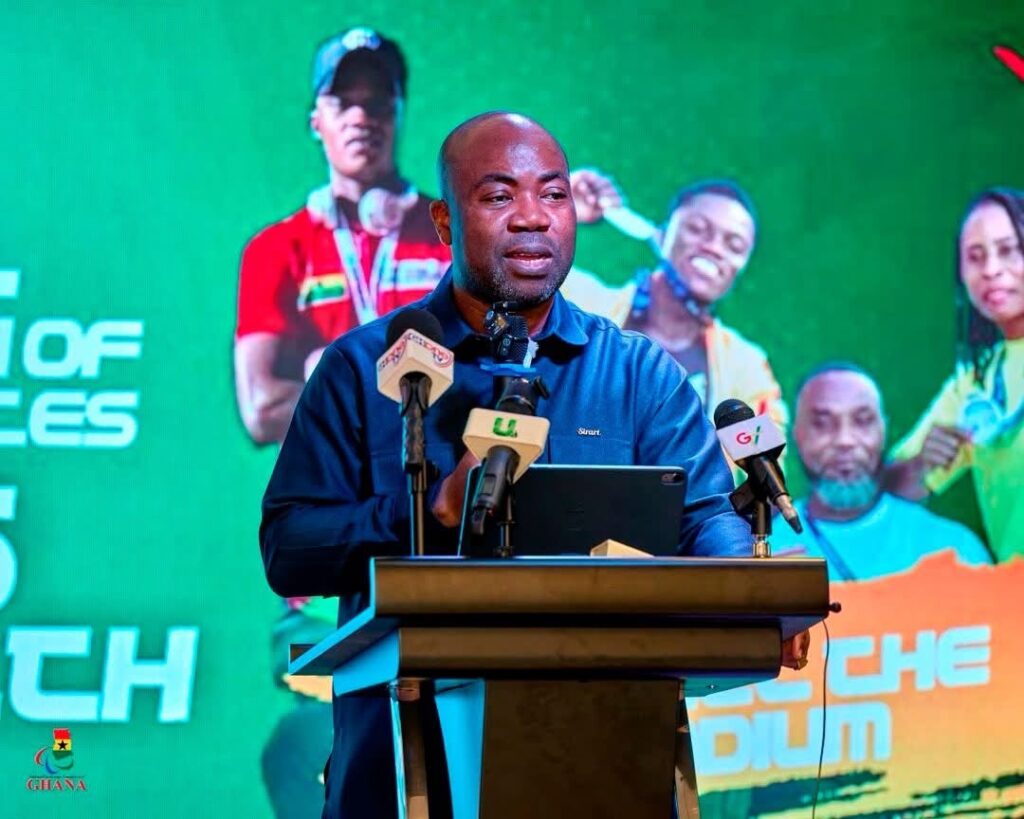
Glasgow 2026: Samson Deen announces special target podium medal bonus for Team Ghana para athletes
- The President of NPC Ghana, Samson Deen, announced a special podium medal bonus package for Ghanaian para athletes at the Glasgow 2026 Commonwealth Games.
- Gold medallists will receive £3,000, silver medallists £2,000, and bronze medallists £1,000.
- Zinabu Issah, Ghana's first medal winner (silver) at the Games, will receive a £2,000 cash award.
- A similar medal prize scheme will be formally launched for the LA28 Paralympic Games qualification campaign.
- A 'Follow My Athlete Scheme' will also be introduced to connect individual para athletes with corporate organisations, philanthropists, and sponsors.
July 28, 2026
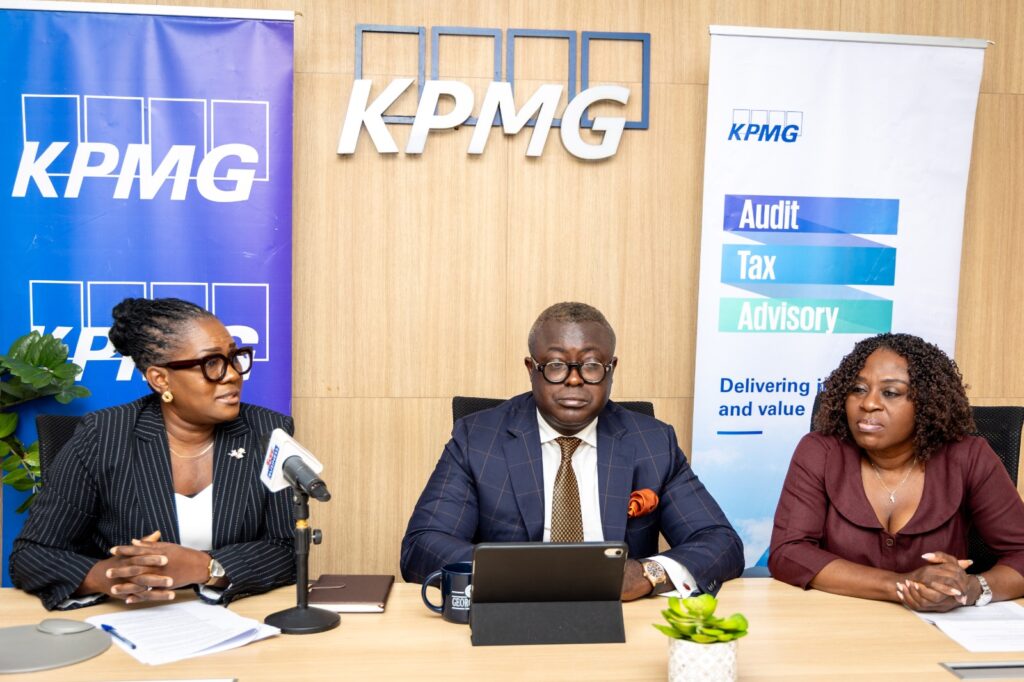
KPMG calls for phased approach to implement tax reforms in Mid-Year Budget
- KPMG Ghana urges the government to implement new tax reforms from the Mid-Year Budget using a phased-out strategy.
- Key reforms include the removal of 20% excise duty on locally produced beverages and a massive reform in tax administration structure.
- The government plans to deploy Fiscal Electronic Devices, a VAT Reward Scheme, and technology to collect VAT from non-resident digital platforms.
- KPMG recommends that implementation be supported by clear technical standards, taxpayer education, and reasonable transition arrangements to ensure effective compliance.
- KPMG also supported the government's expenditure rationalization, noting Ghana's positive H1 economic performance with a fiscal surplus, strong reserves, and robust trade position.