
Back to Latest Briefings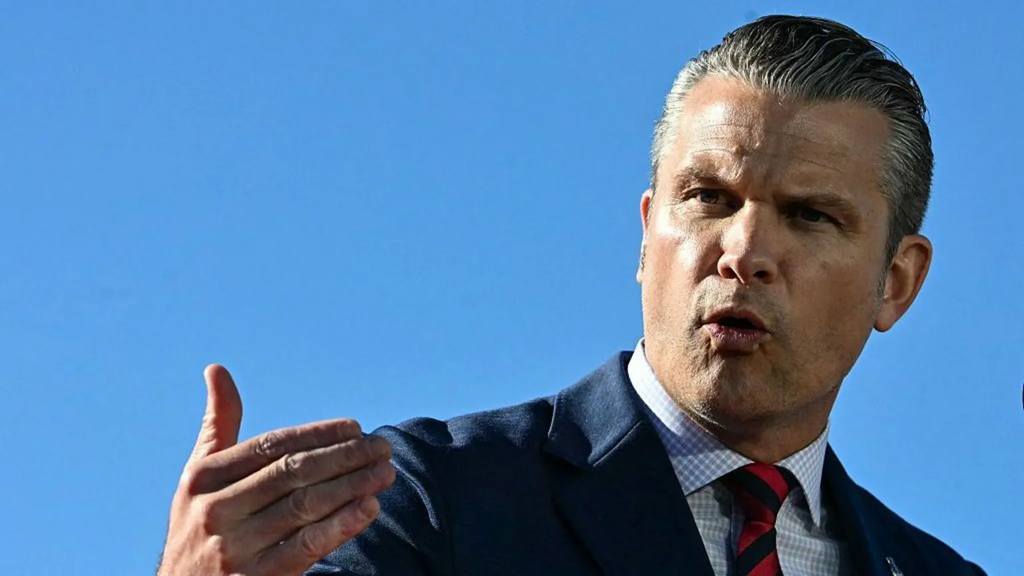
Ghana IntelBrief
May 21, 2026
AI-Enhanced
Bank of Ghana maintains policy rate at 14% as global tensions threaten inflation outlook
Money
Policy
Growth
Key Points
- The Bank of Ghana maintained its Monetary Policy Rate at 14% following the 130th Monetary Policy Committee meeting.
- The decision was made despite growing global uncertainty due to the Middle East conflict impacting trade and crude oil prices.
- Domestically, Ghana's economic activity remained strong in Q1 2026, with the Composite Index of Economic Activity expanding by 12.6%.
- Headline inflation edged up slightly to 3.4% in April, driven by non-food inflation, and is expected to rise gradually into the medium-term target band.
- The central bank warned of potential spillover effects from prolonged geopolitical tensions on transport and utility prices but expects stronger reserve buffers and fiscal discipline to contain pressures.
Why This Matters
This decision directly impacts Ghana's economic stability and cost of living. Maintaining the policy rate signals the central bank's assessment of balanced risks, influencing borrowing costs for businesses and consumers, and shaping inflationary expectations. It also underscores Ghana's vulnerability to global geopolitical events and commodity price fluctuations, necessitating robust domestic economic management.
Read Full Article
View original sourceRelated Articles
October 8, 2026
Fort Hood shooter’s execution by firing squad will be livestreamed, Pentagon says
- Former US Army major Nidal Hasan is scheduled for execution by firing squad on December 3rd for the 2009 Fort Hood shooting.
- The execution, approved by President Trump and recommended by the Defence Secretary, will be livestreamed and made public.
- Hasan fatally shot 13 unarmed US soldiers, claiming he was protecting Muslims and the Taliban.
- This marks the first US military execution in over 60 years and the first by firing squad since World War Two.
- Defence Secretary Pete Hegseth stated the public viewing is to emphasize serious consequences for such actions.
October 8, 2026
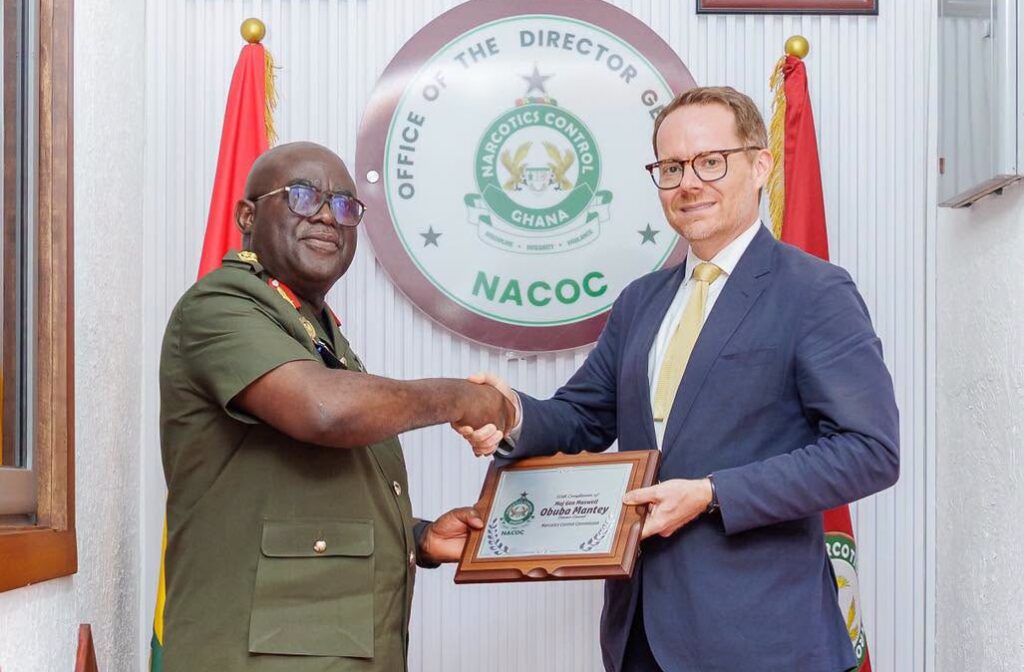
NACOC, INL deepen cooperation to combat drug trafficking and organised crime
- The United States and Ghana are enhancing cooperation to combat drug trafficking and organised crime.
- A US Department of State delegation, led by Andrew McDonald, met with Ghana's Narcotics Control Commission (NACOC) in Accra.
- The meeting focused on strengthening collaboration in intelligence sharing, capacity building, specialised training, and logistical support.
- NACOC Director-General requested increased training opportunities for officers in intelligence, investigations, and prosecution.
- The US reaffirmed its commitment to providing specialised training and logistical assistance to boost NACOC's operational capacity.
October 8, 2026
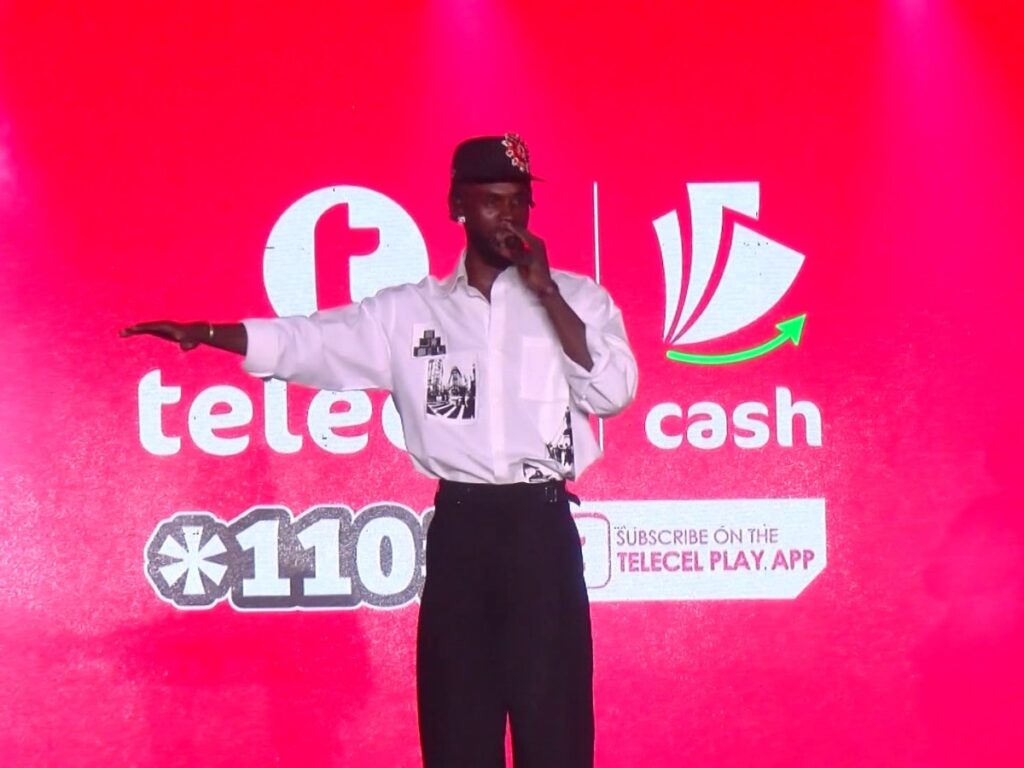
Telecel Ghana unveils Project X with Black Sherif partnership
- Telecel Ghana has launched 'Project X' in partnership with Ghanaian music star Black Sherif.
- The initiative aims to engage young people and promote the Telecel Cash mobile money platform.
- Black Sherif will deliver monthly surprises, including special codes, free transactions, gifts, and rewards, via his social media platforms.
- Telecel Ghana's CEO, Ing. Patricia Obo-Nai, emphasized the security of Telecel Cash, assuring customers their funds are protected.
- Project X seeks to deepen customer engagement and encourage greater use of the Telecel Cash wallet and Telecel Play app.