
Back to Latest Briefings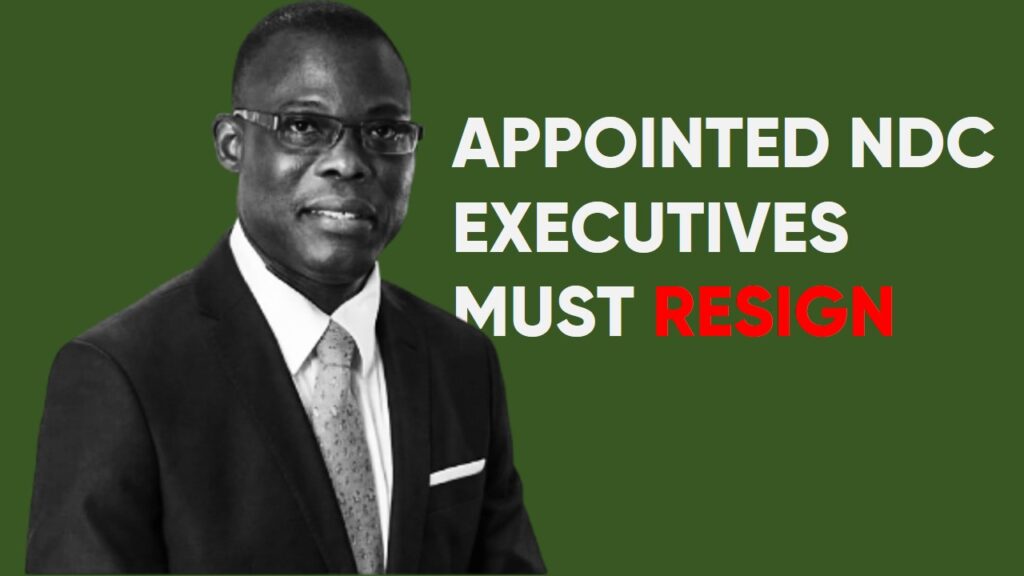


July 20, 2026
AI-Enhanced
NDC’s Elections 2026: Looming leadership shake-up as 9 executive seats face uncertainty
Policy
Opportunity
Key Points
- The National Democratic Congress (NDC) implemented a directive requiring government appointees seeking re-election to party offices to resign six months before filing nomination forms.
- The June 2026 deadline for national aspirants to resign from their government appointments has passed, but no public resignations have been confirmed from the affected executives.
- An analysis reveals 10 out of 24 national executives hold government appointments, with 9 in full-time roles subject to the resignation rule, while board members are exempt.
- This directive could lead to up to nine key NDC national leadership positions becoming open contests if incumbents fail to resign or are deemed ineligible.
- The rule was intended to strengthen internal democracy and eliminate perceived unfair advantages for appointees, but its strict enforcement is now a significant question for the party.
Why This Matters
This internal governance issue within the National Democratic Congress (NDC) is significant for Ghana as it directly impacts the stability, leadership, and public perception of one of the nation's two major political parties. The enforcement or non-enforcement of this rule could set a crucial precedent for internal party democracy, influence the composition of the NDC's national leadership ahead of future elections, and potentially affect the party's electoral competitiveness and broader political landscape in Ghana.
Read Full Article
View original sourceRelated Articles
October 29, 2026
Asene farmers demand compensation for farms destroyed by Accra-Kumasi expressway
- Over 200 farmers at Akyem Asene in the Eastern Region are appealing to the government for adequate compensation for farms destroyed for the new Accra-Kumasi expressway.
- Affected properties include cocoa, food crop, and oil palm farms, which were their main sources of livelihood.
- The farmers staged a demonstration, detailing economic hardships, including difficulty meeting daily needs and paying school fees, since their farms were destroyed over eight months ago.
- Leaders highlighted significant financial losses, with one farmer, Da Costa Asamoah, losing an estimated GH¢40,000 annual income from his 8-acre cocoa farm.
- The Ghana Highway Authority (GHA) confirmed that some farms have not yet been measured, explaining the delay by an increase in the expressway's width from 120 metres to 150 metres, affecting additional farmers.
October 29, 2026
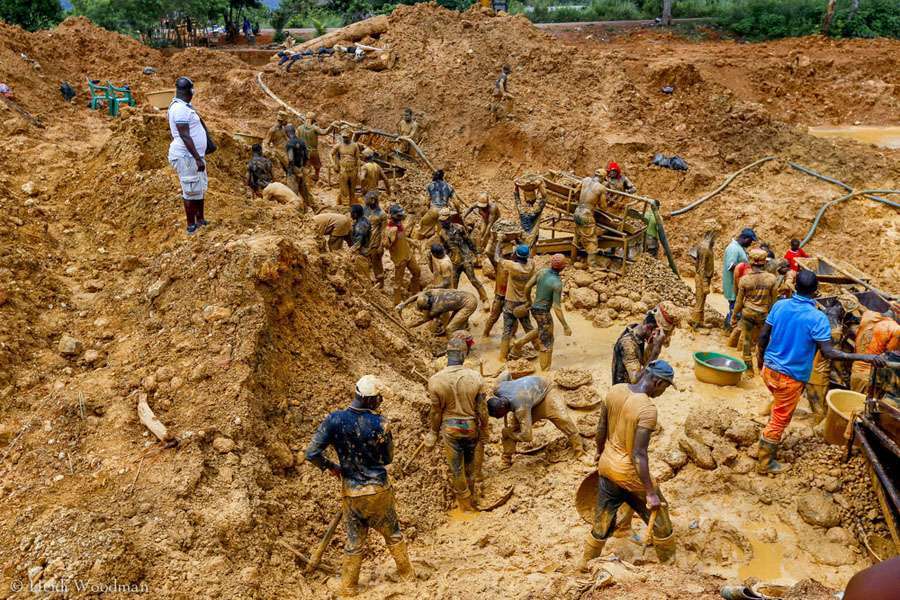
NAIMOS begins community engagements in galamsey-prone areas
- The National Anti-Illegal Mining Operations Secretariat (NAIMOS) has launched community engagements in galamsey-prone areas.
- The initiative aims to strengthen collaboration, build public confidence, address local concerns, and improve intelligence sharing.
- Engagements will involve traditional authorities, local government officials, and opinion leaders to tackle environmental and livelihood challenges.
- This strategy complements existing enforcement operations rather than replacing them, as part of a broader coordinated effort.
- The program aligns with the Minister for Lands and Natural Resources' strategy and President John Dramani Mahama's vision to intensify the fight against illegal mining.
October 29, 2026
‘We tend to be open-minded and liberal, but that’s not how we’ve lived so far’ – Kufuor
- Former President Kufuor advocates for a Ghana where individual enterprise thrives, supported by strong leadership and inclusive governance.
- He emphasizes leveraging Ghana's natural resources and human talent, cautioning against stifling initiative with excessive taxation.
- Kufuor envisions a state framework that empowers the private sector to mature, attract investment, and allow citizens to build legitimate wealth.
- His vision balances private enterprise with robust social protection, calling for quality education, healthcare, and a safety net against poverty.
- He highlights Ghana's potential through its mineral resources (gold, lithium, bauxite, manganese) and the character of its people to achieve shared prosperity.