
Back to Latest Briefings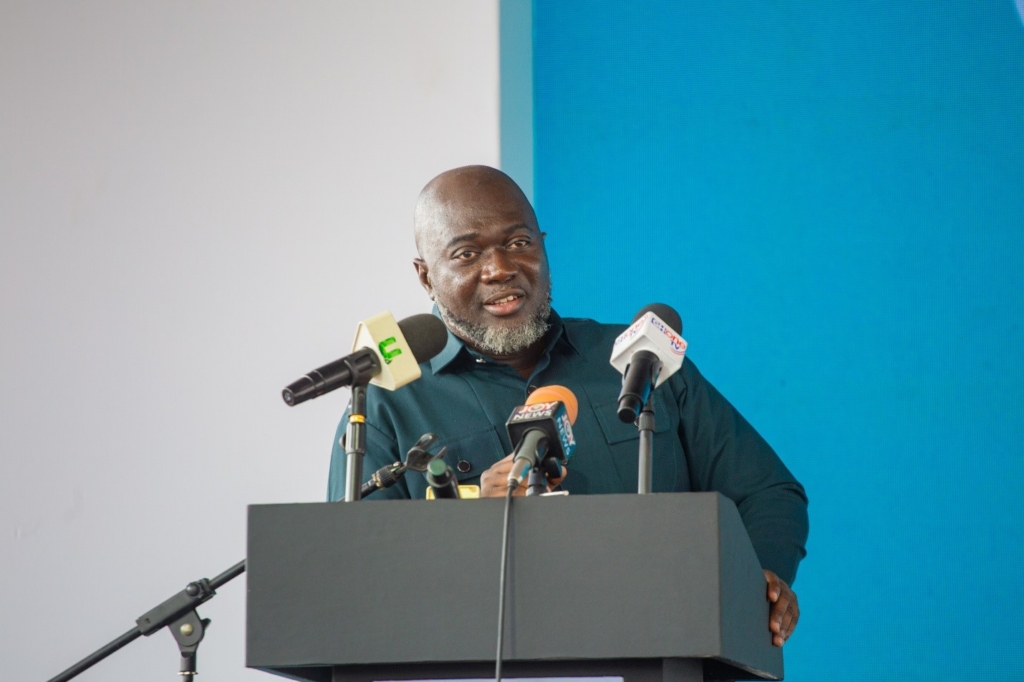
September 13, 2026
AI-Enhanced
COPEC calls for GH¢1 petrol, continuation of GH¢2 diesel subsidy amid price surge
Money
Policy
Opportunity
Growth
Key Points
- COPEC is calling on the Ghanaian government to extend fuel subsidies into the second pricing window of September.
- The Chamber proposes a GH¢1 per litre relief for petrol and maintaining the GH¢2 per litre subsidy on diesel.
- This appeal comes as COPEC projects significant price increases from September 16, with petrol reaching GH¢16.26/litre and diesel GH¢19.07/litre.
- The projected increases are attributed to substantial rises in international crude oil (from $89.30 to $103.07/barrel) and refined product prices.
- COPEC also urged Oil Marketing Companies to reduce their margins and the government to expedite Tema Oil Refinery's (TOR) expansion to 100,000 barrels per day to reduce import reliance.
Why This Matters
Fuel prices are a critical determinant of the cost of living and doing business in Ghana, directly impacting inflation, transportation, and household budgets. Government intervention through subsidies has significant fiscal implications, potentially straining the national budget while offering temporary relief to citizens. The call for Tema Oil Refinery's expansion also highlights a long-term strategy to enhance energy security and reduce reliance on expensive imported finished petroleum products, which is crucial for economic stability.
Read Full Article
View original sourceRelated Articles
September 13, 2026
Massive crowds flock to JoyNews–Republic Bank Habitat Fair on final day to explore mortgages and seek expert advice
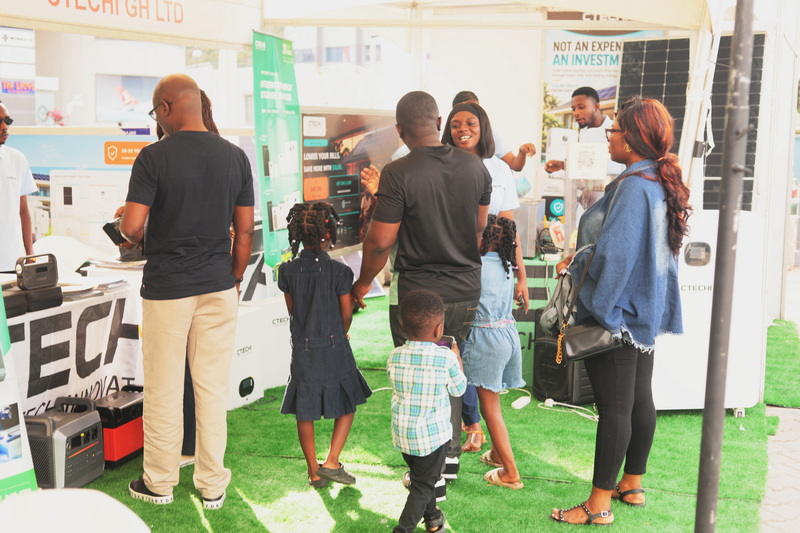
- The second JoyNews–Republic Bank Habitat Fair in Accra concluded after three days, attracting massive crowds.
- The fair connected prospective homeowners with financial institutions, property developers, construction companies, and industry professionals.
- Attendees explored various mortgage options, including those from Republic Bank Ghana and the National Homeownership Fund (NHF).
- Exhibitors showcased a wide range of products and services, from building materials and security to renewable energy and interior design.
- The strong turnout underscores a growing interest in homeownership and the significant demand for accessible financing and expert guidance in Ghana.
September 12, 2026
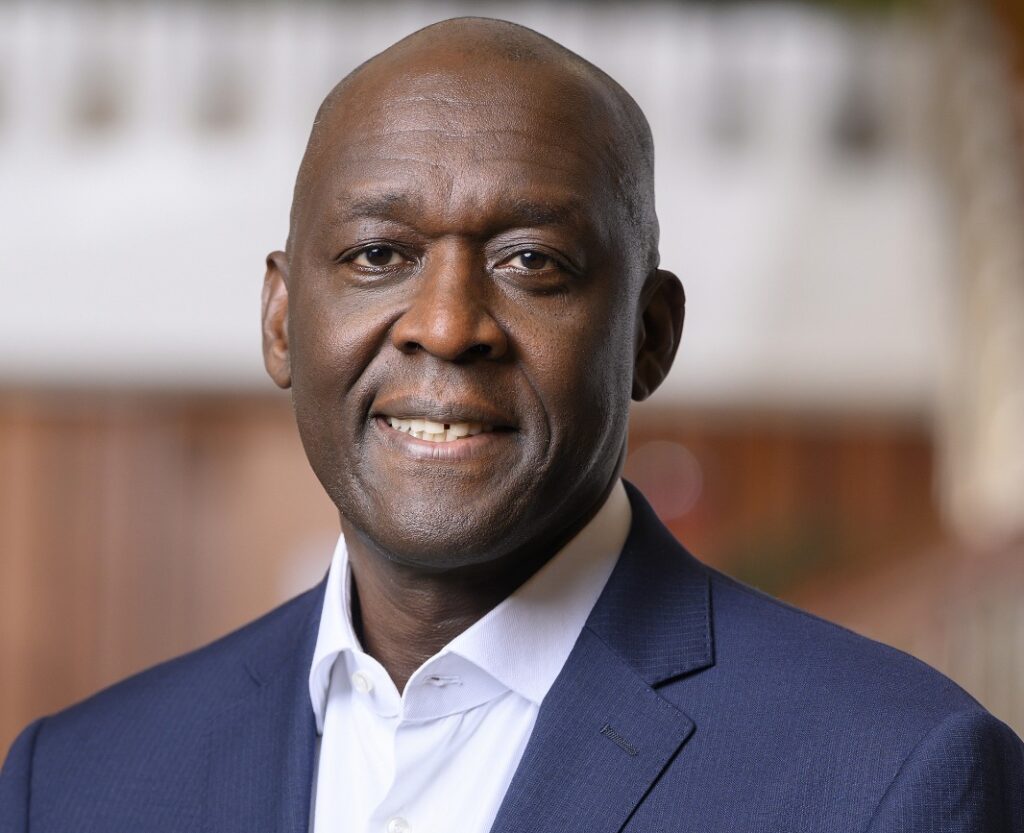
IFC Managing Director Makhtar Diop to visit Ghana for investment talks
- The Managing Director of the International Finance Corporation (IFC), Makhtar Diop, will visit Ghana from September 15 to 17, 2026.
- The visit aims to engage government and private sector leaders to boost private investment and support Ghana's development priorities.
- Discussions will focus on mobilizing private capital, strengthening businesses, expanding access to finance, and creating jobs across key sectors like agribusiness, renewable energy, and the creative economy.
- Mr. Diop will meet senior government officials, business leaders, entrepreneurs, civil society, and academic institutions.
- IFC's commitments in Ghana significantly increased to $670 million in fiscal year 2026, up from $61 million in fiscal year 2021, reflecting its growing role in mobilizing private investment.
September 12, 2026
Scrap 15% priority placement quota for SHS admissions – GNAPS
- The Ghana National Association of Private Schools (GNAPS) demands the complete abolition of the 15% priority placement allocation in the Senior High School (SHS) system.
- GNAPS argues that the current policy unfairly advantages students from public basic schools over those from private schools in securing preferred SHS placements.
- They contend that the definition of 'deprived schools' is flawed, wrongly equating public school attendance with low-income status and excluding private schools operating in challenging communities.
- GNAPS warns that the policy threatens the sustainability of private schools by potentially causing declining enrollment as parents move children to public schools for better placement odds, leading to financial difficulties.
- The association advocates for an SHS placement system based on equal opportunity for all students, irrespective of the type of basic school they attended.