
Back to Latest Briefings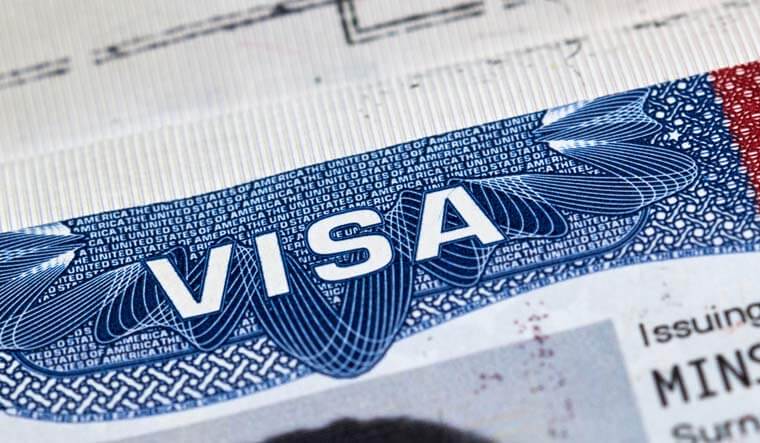


August 4, 2026
AI-Enhanced
UAE introduces police clearance requirement for Ghanaians seeking employment visas
Money
Policy
Opportunity
Key Points
- Ghana's Ministry of Foreign Affairs has announced a new requirement for Ghanaians seeking employment in the UAE.
- All Ghanaian nationals applying for UAE employment visas must now obtain a Good Conduct Certificate (Police Clearance Certificate).
- This new requirement, based on UAE Cabinet decisions, will be implemented in two phases: March 30, 2026, for employment visa applicants from Ghana, and July 20, 2026, for all worker categories arriving in the UAE.
- The certificate must be authenticated by the Ministry of Foreign Affairs of Ghana and the UAE Embassy in Accra.
- Ghanaians currently in the UAE on visit visas who plan to change to work visas have a 45-day grace period from the effective date to regularize their status.
Why This Matters
This policy change significantly impacts Ghanaian citizens seeking overseas employment, a major source of remittances and a common aspiration. It introduces an additional bureaucratic hurdle, potentially affecting the ease and speed of securing jobs in the UAE, a popular destination for Ghanaian migrant workers. This highlights the evolving landscape of international immigration policies that Ghanaian prospective workers must navigate.
Read Full Article
View original sourceRelated Articles
November 3, 2026
8% pay rise: Workers will be better off in real terms— Dr Acheampong
- Public sector workers in Ghana are projected to experience real income improvements due to easing inflation preserving their purchasing power.
- Dr. Theo Acheampong of the Ministry of Finance stresses that the true measure of a salary adjustment is its real value after accounting for inflation, not just the nominal percentage.
- Historical data shows that in several past years, inflation significantly outpaced wage adjustments, leading to a decline in workers' real incomes.
- The trend is expected to reverse from 2025 onwards, with projected moderate inflation rates allowing for real wage gains despite seemingly lower nominal increases.
- The government's strategy focuses on sustainable wage adjustments coupled with inflation control to ensure workers' ability to meet their needs effectively.
November 2, 2026
Daily Insight for CEOs: The CEO’s Role in Driving Year-End Performance
- CEOs must intensify their focus in November and December to deliver strategic commitments and close performance gaps.
- Effective year-end performance relies on clear priorities, timely decisions, executive ownership, and consistent monitoring, not just pressure.
- Key strategies include reviewing organizational performance against targets and identifying critical results for delivery by December 31.
- CEO leadership actions involve convening executive teams to identify 3-5 top priorities and assign measurable outcomes to responsible executives.
- The final two months significantly influence an organization’s annual results, stakeholder confidence, and readiness for the next financial year.
November 2, 2026
More jobs, better pay: The budget Ghanaian workers deserve
- The upcoming national budget is highly anticipated, with job creation expected to be a major focus for Ghana.
- Ghana faces a dual challenge: persistent high unemployment/underemployment and a growing number of employed individuals who are poorly paid.
- The current national daily minimum wage (approx. GH₵550/month) is highlighted as insufficient for a decent standard of living amidst rising costs of basic necessities.
- The article advocates for the budget to simultaneously address sustainable job creation and a significant upward adjustment of the national minimum wage, arguing against incremental increases.
- It suggests that higher wages can stimulate economic growth through increased consumer spending and proposes complementary measures for businesses like tax incentives and affordable financing.