
Back to Latest Briefings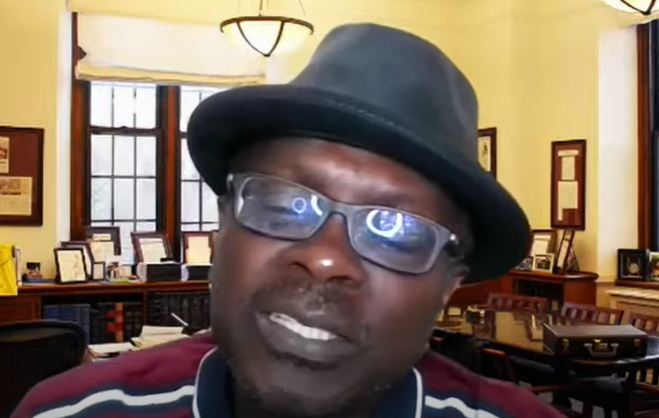


July 19, 2026
AI-Enhanced
The problem isn’t unanswered calls but weak institutions — Prof. Asare
Money
Policy
Opportunity
Growth
Key Points
- Professor Kwaku Asare urges Ghana to build stronger public institutions to guarantee equal access to opportunities, reducing citizens' reliance on personal political connections.
- His comments follow Justice William Atuguba's criticism of politicians becoming inaccessible post-election, which Asare attributes to a deeper structural weakness in governance.
- Asare argues that many aspects of public life, including jobs, contracts, admissions, and promotions, are currently dependent on personal influence, fostering cronyism and nepotism.
- He maintains that it's unrealistic for politicians to maintain personal relationships with all supporters and instead advocates for transparent, merit-based institutional systems.
- Asare calls for a return to governance anchored on transparent criteria, competitive processes, published outcomes, and auditable decisions, where institutions, not politicians, serve citizens impartially.
Why This Matters
This analysis highlights a critical governance issue in Ghana where reliance on political connections undermines meritocracy and public trust. Addressing this systemic weakness is crucial for fostering equitable access to opportunities, combating corruption, and ensuring that public resources and services are distributed fairly based on transparent rules rather than personal influence. This directly impacts Ghana's long-term development, social cohesion, and economic efficiency.
Read Full Article
View original sourceRelated Articles
October 29, 2026
Asene farmers demand compensation for farms destroyed by Accra-Kumasi expressway
- Over 200 farmers at Akyem Asene in the Eastern Region are appealing to the government for adequate compensation for farms destroyed for the new Accra-Kumasi expressway.
- Affected properties include cocoa, food crop, and oil palm farms, which were their main sources of livelihood.
- The farmers staged a demonstration, detailing economic hardships, including difficulty meeting daily needs and paying school fees, since their farms were destroyed over eight months ago.
- Leaders highlighted significant financial losses, with one farmer, Da Costa Asamoah, losing an estimated GH¢40,000 annual income from his 8-acre cocoa farm.
- The Ghana Highway Authority (GHA) confirmed that some farms have not yet been measured, explaining the delay by an increase in the expressway's width from 120 metres to 150 metres, affecting additional farmers.
October 29, 2026
NAIMOS begins community engagements in galamsey-prone areas
- The National Anti-Illegal Mining Operations Secretariat (NAIMOS) has launched community engagements in galamsey-prone areas.
- The initiative aims to strengthen collaboration, build public confidence, address local concerns, and improve intelligence sharing.
- Engagements will involve traditional authorities, local government officials, and opinion leaders to tackle environmental and livelihood challenges.
- This strategy complements existing enforcement operations rather than replacing them, as part of a broader coordinated effort.
- The program aligns with the Minister for Lands and Natural Resources' strategy and President John Dramani Mahama's vision to intensify the fight against illegal mining.
October 29, 2026
‘We tend to be open-minded and liberal, but that’s not how we’ve lived so far’ – Kufuor
- Former President Kufuor advocates for a Ghana where individual enterprise thrives, supported by strong leadership and inclusive governance.
- He emphasizes leveraging Ghana's natural resources and human talent, cautioning against stifling initiative with excessive taxation.
- Kufuor envisions a state framework that empowers the private sector to mature, attract investment, and allow citizens to build legitimate wealth.
- His vision balances private enterprise with robust social protection, calling for quality education, healthcare, and a safety net against poverty.
- He highlights Ghana's potential through its mineral resources (gold, lithium, bauxite, manganese) and the character of its people to achieve shared prosperity.