
Back to Latest Briefings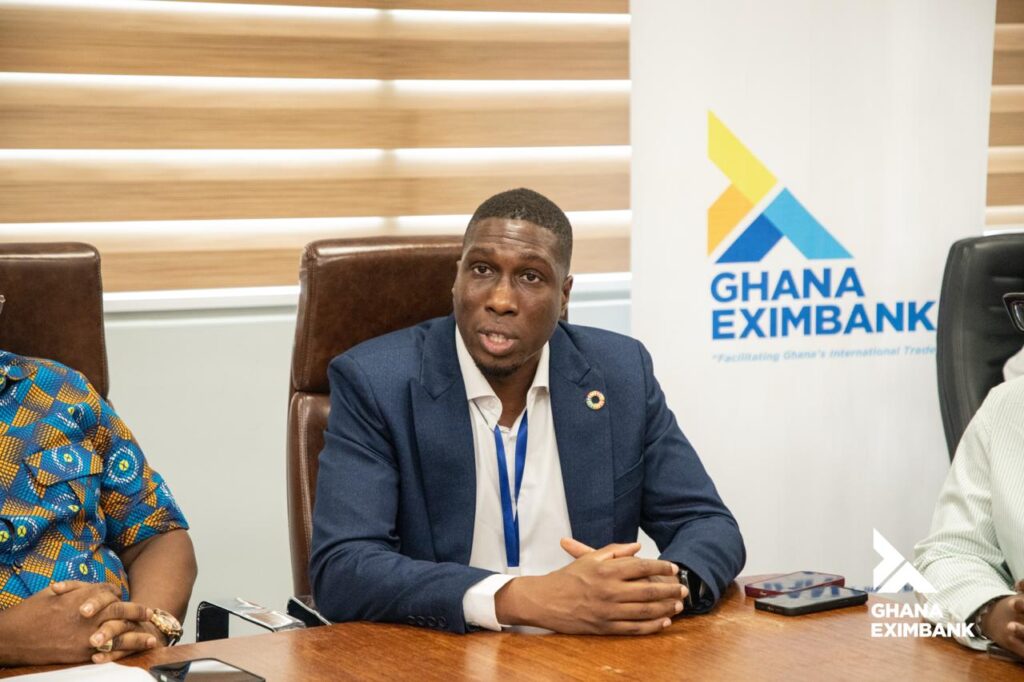
July 2, 2026
AI-Enhanced
UN Global Compact urges Ghanaian firms to accelerate sustainability drive as Exim Bank joins initiative
Money
Policy
Opportunity
Growth
Key Points
- Ghana Exim Bank has joined the UN Global Compact Network Ghana, a move described as significant for aligning Ghana's financial sector with international environmental and governance standards.
- This participation highlights the increasing importance of sustainability (ESG) in global finance and trade, with UN Global Compact aiming to equip companies to operate responsibly.
- Tolu Kweku Lacroix emphasized that sustainability is now a decisive factor for global investment and financing, warning that businesses failing to integrate ESG risk exclusion from capital markets.
- Exim Bank's commitment is expected to signal a shift across its value chain, influencing suppliers and partners to adopt sustainable practices and raise standards in Ghana's financial ecosystem.
- The UN Global Compact offers tools, technical support, and capacity-building to help institutions implement its Ten Principles and adapt to rapidly evolving regulatory frameworks, encouraging proactive adoption of sustainability.
Why This Matters
Ghana's financial sector is making a critical move to align with global sustainability standards, which is now a prerequisite for attracting international investment and securing financing. This shift, led by a key institution like Ghana Exim Bank, is vital for maintaining competitiveness in global markets and will elevate sustainable financing practices across the country, supporting Ghana's long-term development objectives.
Read Full Article
View original sourceRelated Articles
October 8, 2026
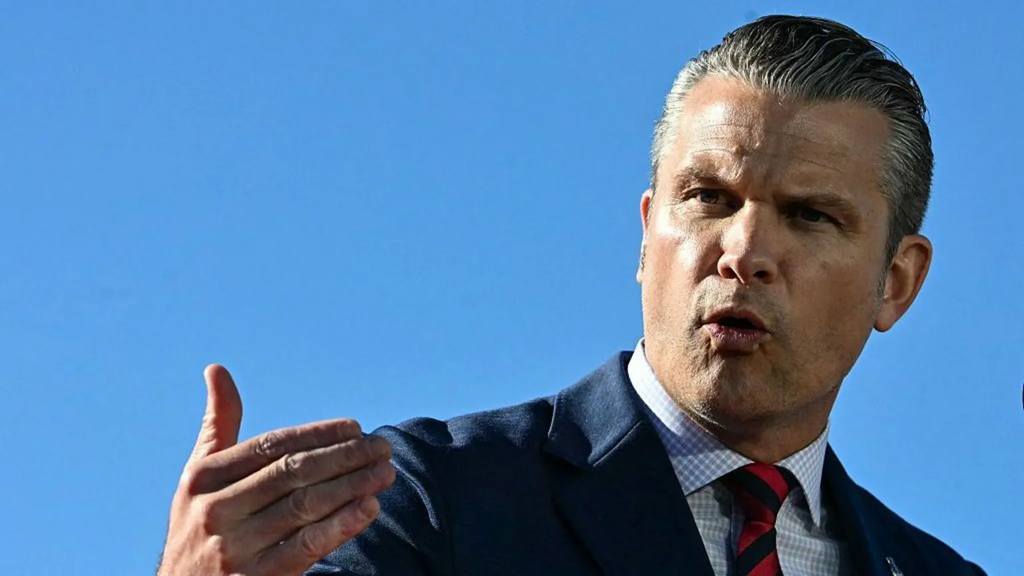
Fort Hood shooter’s execution by firing squad will be livestreamed, Pentagon says
- Former US Army major Nidal Hasan is scheduled for execution by firing squad on December 3rd for the 2009 Fort Hood shooting.
- The execution, approved by President Trump and recommended by the Defence Secretary, will be livestreamed and made public.
- Hasan fatally shot 13 unarmed US soldiers, claiming he was protecting Muslims and the Taliban.
- This marks the first US military execution in over 60 years and the first by firing squad since World War Two.
- Defence Secretary Pete Hegseth stated the public viewing is to emphasize serious consequences for such actions.
October 8, 2026
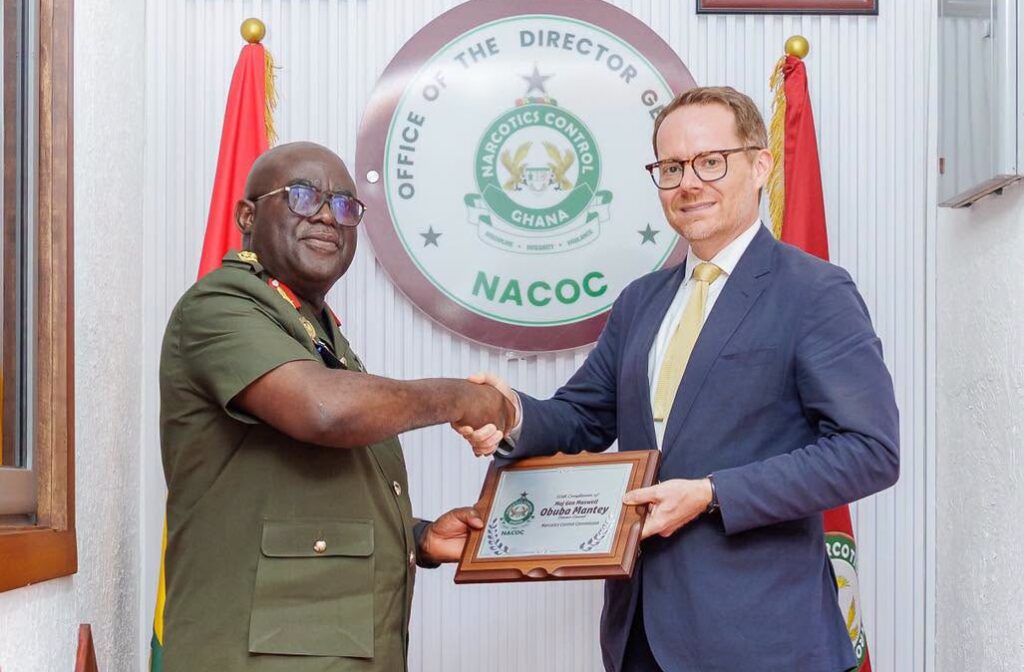
NACOC, INL deepen cooperation to combat drug trafficking and organised crime
- The United States and Ghana are enhancing cooperation to combat drug trafficking and organised crime.
- A US Department of State delegation, led by Andrew McDonald, met with Ghana's Narcotics Control Commission (NACOC) in Accra.
- The meeting focused on strengthening collaboration in intelligence sharing, capacity building, specialised training, and logistical support.
- NACOC Director-General requested increased training opportunities for officers in intelligence, investigations, and prosecution.
- The US reaffirmed its commitment to providing specialised training and logistical assistance to boost NACOC's operational capacity.
October 8, 2026
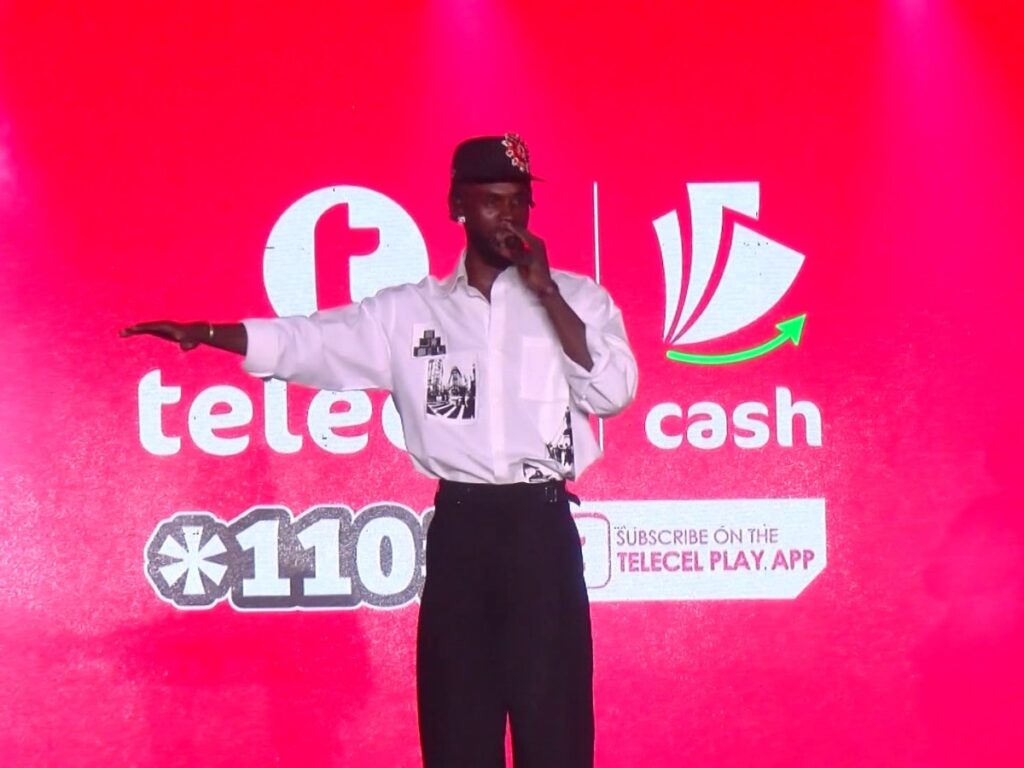
Telecel Ghana unveils Project X with Black Sherif partnership
- Telecel Ghana has launched 'Project X' in partnership with Ghanaian music star Black Sherif.
- The initiative aims to engage young people and promote the Telecel Cash mobile money platform.
- Black Sherif will deliver monthly surprises, including special codes, free transactions, gifts, and rewards, via his social media platforms.
- Telecel Ghana's CEO, Ing. Patricia Obo-Nai, emphasized the security of Telecel Cash, assuring customers their funds are protected.
- Project X seeks to deepen customer engagement and encourage greater use of the Telecel Cash wallet and Telecel Play app.