
Back to Latest Briefings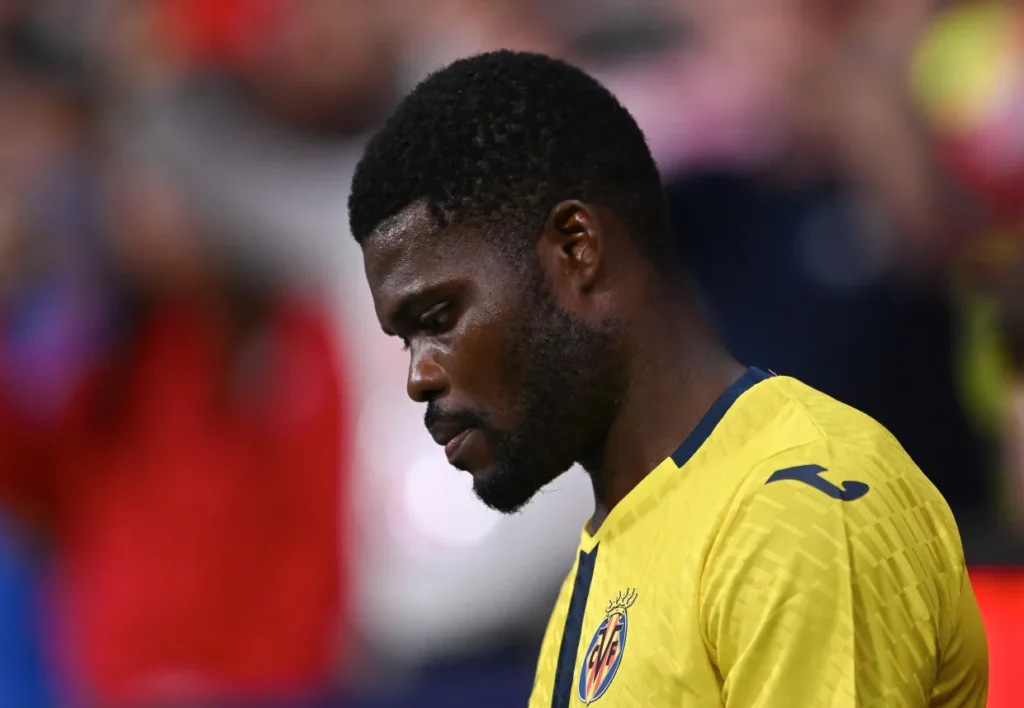

June 13, 2026
AI-Enhanced
2026 World Cup: Sports Ministry demands FIFA intervention over Partey’s visa denial
Policy
Key Points
- Ghana's Ministry of Sports and Recreation has urged FIFA to actively safeguard the rights of participating nations.
- This call comes after Ghanaian midfielder Thomas Partey was denied entry into Canada for a World Cup match.
- Partey will miss Ghana's Group L opener against Panama in Toronto but is eligible for subsequent matches in the United States.
- The Ministry stressed that FIFA's commitment to fairness must ensure all qualified teams have access to their eligible players and officials.
- Partey is currently facing multiple charges of rape and sexual assault in London, to which he has pleaded not guilty, and his trial has been delayed.
Why This Matters
This incident directly impacts Ghana's national football team, the Black Stars, by weakening their squad for a crucial World Cup match, potentially affecting their performance and national pride. It also raises broader concerns for Ghana regarding the treatment of its athletes on the international stage and the need for global sporting bodies like FIFA to ensure equitable participation for all member associations.
Read Full Article
View original sourceRelated Articles
July 28, 2026
Minerals Commission, Chinese Embassy deepen cooperation on mining and anti-galamsey efforts
- The Minerals Commission and the Chinese Embassy reaffirmed commitment to strengthening bilateral cooperation in Ghana's mining sector.
- Discussions focused on increasing Chinese investment, technology transfer, and combating illegal mining (galamsey).
- Both parties explored ways to expand Chinese investment across Ghana’s minerals value chain while promoting sustainable practices and institutional collaboration.
- Opportunities for enhancing local content, increasing trade in mining-related goods/services, and capacity building through modern technologies were discussed.
- A key focus was the fight against illegal mining, with the Ambassador pledging support for Ghana's efforts and the Commission committing to a transparent, investor-friendly regulatory environment.
July 28, 2026
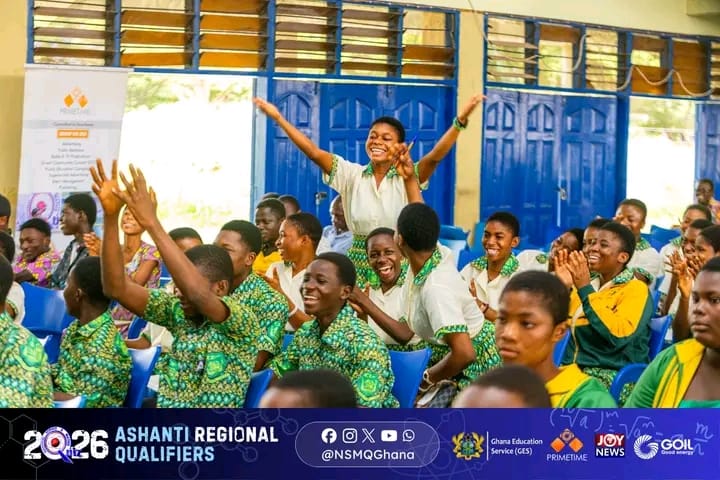
Okomfo Anokye SHS ends two-year NSMQ exile with dramatic final-riddle victory
- Okomfo Anokye Senior High School has qualified for the National Science and Maths Quiz (NSMQ) championship.
- They secured their spot by winning the Ashanti Regional Qualifiers.
- This victory marks their return to Ghana's biggest academic competition after a two-year absence.
- Okomfo Anokye SHS narrowly defeated Namong Senior High School with 47 points to 44 points in a dramatic final riddle.
- The school is now focused on preparations for the 2026 NSMQ, aiming to challenge established powerhouses.
July 28, 2026
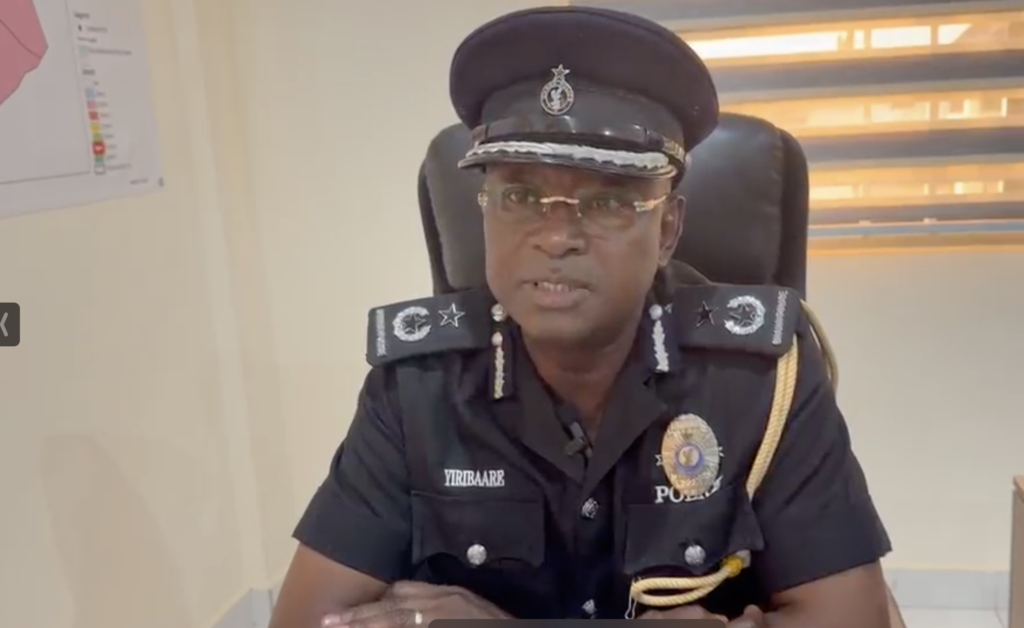
Kandau murder suspect Abu Tijani dies after arrest, Police Professional Standards Bureau launches investigation
- A key suspect, Abu Tijani (alias Master One), in the murder of two youth in Kandau, Upper West Region, died hours after his arrest on July 25, 2026.
- Tijani, who had been on the wanted list since May 2026, admitted involvement in the November 2025 killings during interrogation.
- He led police to an initial burial site and claimed the bodies were exhumed and moved across the Black Volta River into Burkina Faso by him and accomplices.
- The suspect complained of a severe headache while being escorted, was taken to the SDA Hospital in Wa, and pronounced dead hours later.
- The Police Professional Standards Bureau (PPSB) is investigating the circumstances of his death, and the Regional Police Command has engaged community leaders to appeal for calm and assure transparency.