
Back to Latest Briefings


July 12, 2026
AI-Enhanced
Mahama directs activation of Zoomlion transfer stations to improve waste collection after floods
Money
Policy
Opportunity
Growth
Key Points
- President Mahama directed the immediate operationalization of six waste transfer stations managed by Zoomlion Ghana Limited in Greater Accra, which had been unused for over nine years.
- The stations, located at Achimota, Teshie, Kpone, Ashaiman, Pantang, and Adipa, will serve as temporary collection points to compact waste before transport to final disposal/treatment facilities like ACARP and IRECOP.
- Zoomlion confirmed all stations are operational and deployed extensive logistics, including 150 haulage trucks, 30 compactors, 2,000 tricycle operators, and over 1,000 personnel, for the post-flood clean-up exercise.
- The National General Clean-up Exercise, involving various government agencies and the public, aimed to clear accumulated refuse, with the Ghana Armed Forces continuing the evacuation efforts.
- The initiative signifies a commitment to move towards a circular waste economy, treating waste as a resource for recycling and composting, supported by strong public-private partnerships.
Why This Matters
This initiative is crucial for Ghana as it directly addresses critical waste management infrastructure deficits and public health challenges, especially in Greater Accra, which are often exacerbated by flooding. Operationalizing these long-dormant transfer stations and fostering a circular waste economy represents a significant step towards a more sustainable, efficient, and resilient urban environment, potentially reducing disease burdens and creating economic opportunities in waste recycling and resource recovery.
Read Full Article
View original sourceRelated Articles
October 10, 2026
Conflicts among care providers linked to maternal, neonatal deaths – Expert
- Unresolved conflicts among obstetric care providers are indirectly contributing to maternal and neonatal deaths.
- Internal disagreements and failure to adhere to protocols lead to misdiagnosis, inappropriate interventions, and poor coordination.
- Health facilities and training institutions are urged to prioritize teamwork, communication, and conflict resolution to reduce preventable deaths.
- Midwives must strengthen their professional knowledge and skills to meet the expectations of increasingly informed patients.
- The expert also emphasized equitable healthcare delivery and cautioned trainees against excessive mobile phone use on duty.
October 10, 2026
Gov’t targets recruitment of 16,500 health professionals in 2026
- Government plans to recruit 16,500 health professionals in 2026 to address staffing gaps.
- Financial clearance has been secured to ensure timely payment for all new recruits.
- The initiative aims to tackle unemployment among trained professionals and the migration of skilled workers.
- Retention strategies beyond recruitment include improving working environments and quality of life factors like housing and security.
- The Labour Ministry is pursuing reforms to strengthen labour market governance and improve working conditions.
October 10, 2026
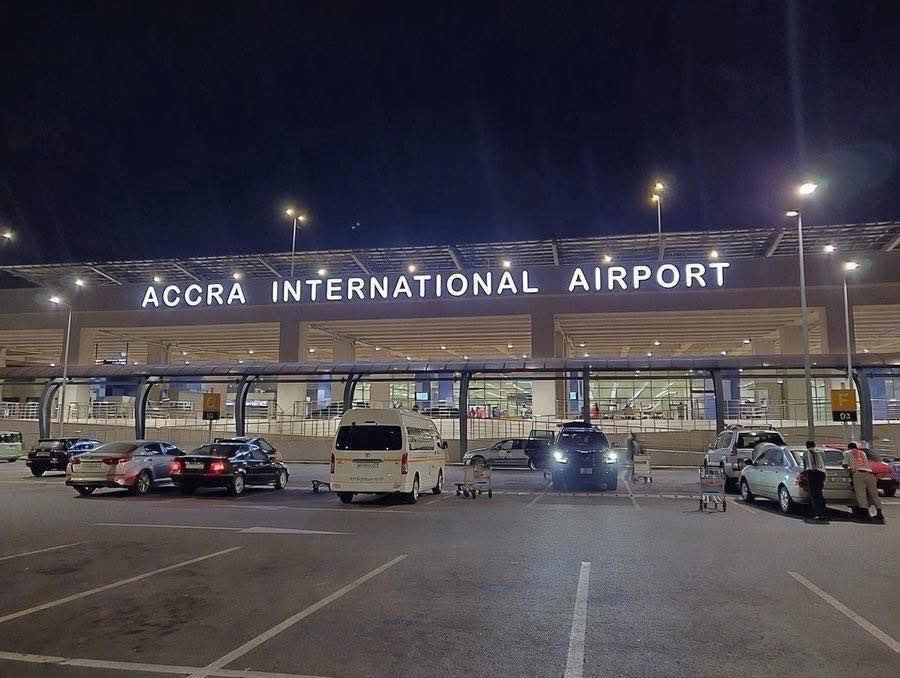
GRA blames system failure for delay in issuing receipt over passenger’s customs duty
- The Ghana Revenue Authority (GRA) investigated allegations of extortion involving Customs officers at Accra International Airport after a passenger, Gifty Osei Bonsu, was assessed GH¢807.68 in customs duty.
- Preliminary investigations revealed a temporary system failure prevented the immediate issuance of an official receipt for the duty paid on 20 pairs of new shoes, nine dresses, 18 shirts, and four wigs.
- Ms. Bonsu deposited GH¢800, and the remaining GH¢7.68 was covered by the officers personally, with the full assessed duty later paid into GRA’s revenue account at Ecobank Ghana Limited.
- The GRA apologized for the inconvenience and delay, affirming the transaction was in good faith and the duty duly accounted for.
- The Authority has introduced alternative procedures for system interruptions, begun reviewing standard operating procedures for officer engagement, and is developing improved passenger-facing processes for transparency and clarity.