
Back to Latest Briefings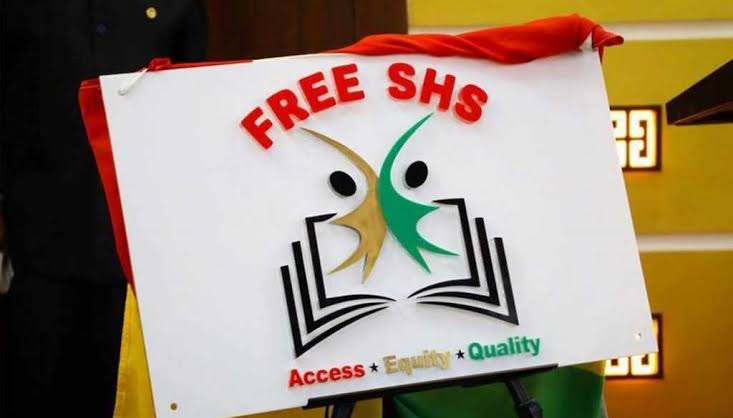



June 17, 2026
AI-Enhanced
World Bank approves $300m STARR-J Project to end double-track SHS system by 2027
Money
Policy
Opportunity
Growth
Key Points
- The World Bank has approved a $300 million financing package for Ghana's education sector.
- The funding is for the Transformative Secondary Education for Access, Results and Relevance for Jobs (STARR-J) Project.
- The project aims to phase out the double-track system in Senior High Schools by 2027.
- It will address infrastructure deficits, improve learning conditions, and enhance system efficiency in secondary education.
- The initiative responds to challenges from the Free SHS policy and is seen as a strategic investment in Ghana's human capital development and global competitiveness.
Why This Matters
This financing is crucial for Ghana as it directly addresses the significant challenges in secondary education, particularly overcrowding and infrastructure deficits, which arose from the successful Free SHS policy. By phasing out the double-track system and improving educational quality, it aims to enhance human capital development, better align skills with labor market demands, and boost Ghana's long-term global competitiveness.
Read Full Article
View original sourceRelated Articles
October 31, 2026
Ghana courts Qatari investors into key sectors of economy
- The CEO of the Ghana Investment Promotion Authority (GIPA) called for increased Qatari investment into Ghana's strategic sectors.
- Ghana aims to deepen investment cooperation across agriculture, manufacturing, energy, infrastructure, financial services, tourism, and creative arts.
- Improved air connectivity between Ghana and Qatar was highlighted as crucial for facilitating business, trade, and investment flows.
- Ghana is actively showcasing its investment potential at international forums, like the World Investment Forum, to attract foreign businesses.
- The GIPA CEO emphasized Ghana's efforts to improve its business environment and provide incentives for investors, particularly in free zones.
October 31, 2026
NDC cannot preach accountability and resist scrutiny — Afenyo-Markin
- Minority Leader Alexander Afenyo-Markin accuses the governing National Democratic Congress (NDC) of applying double standards regarding accountability.
- He asserts that the NDC, having spent eight years in opposition demanding scrutiny from the NPP, now appears offended when subjected to similar criticism.
- Afenyo-Markin emphasizes that questioning government contracts, demanding transparency, and assessing public expenditure are legitimate acts of democratic oversight, not personal attacks.
- He challenges the NDC to maintain the same principles of accountability it championed while in opposition, regardless of its current position in power.
- The Minority vows to continue its role of scrutinizing government documents, contracts, and spending to ensure consistent accountability, stating it should not depend on which party occupies the Presidency.
October 31, 2026
The cost of staying alive: diabetes, hypertension and the price of a working life in Ghana
- Diabetes and hypertension pose a significant threat to the health, livelihoods, and productivity of working-age Ghanaians, as illustrated by personal stories of job loss and financial struggle due to chronic illness.
- The prevalence of these non-communicable diseases (NCDs) is a growing national concern, with WHO data showing a rise in global cases and Ghana's 2023 STEPS survey revealing high rates of hypertension (21.7%) and raised blood glucose (5.2%) among adults.
- Early detection and appropriate management are critical, as these conditions often go undiagnosed and can lead to severe complications like chronic kidney disease, which further exacerbates financial and occupational burdens.
- The economic consequences extend beyond healthcare costs, affecting workplace productivity, job security, and household finances, though supportive workplaces and accessible care can enable affected individuals to remain productive.
- Addressing diabetes and hypertension requires a multi-faceted approach involving healthier lifestyles, public awareness, accessible medical care, regular monitoring, and supportive workplace policies, representing an investment in Ghana's national productivity and well-being.