
Back to Latest Briefings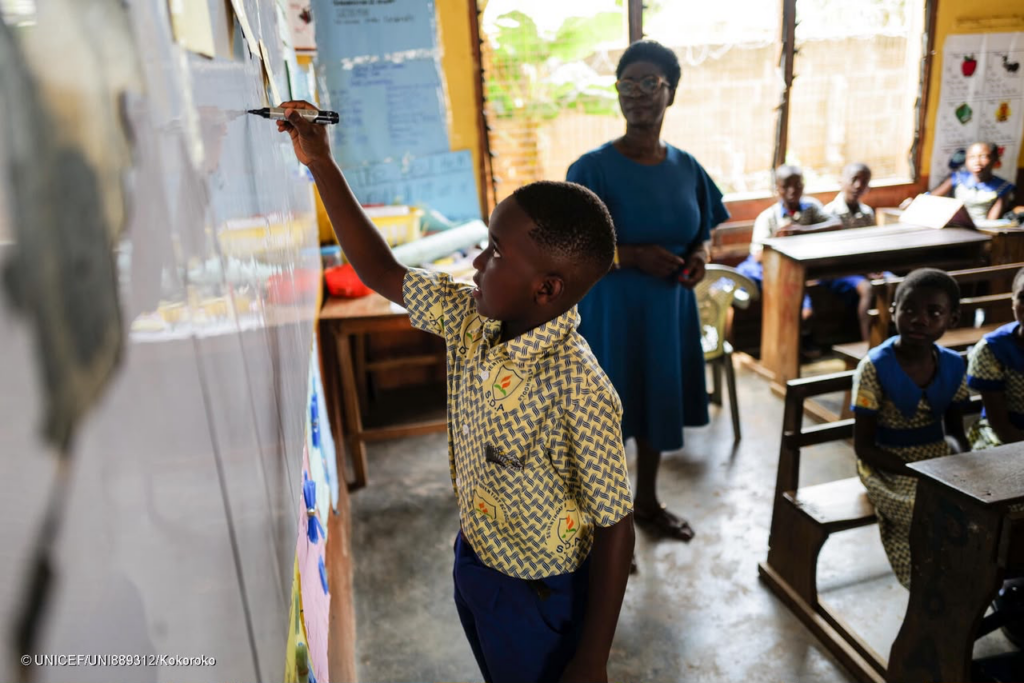
August 2, 2026
AI-Enhanced
Ministry of Education clarifies basic school language policy, says foreign languages will remain optional
Policy
Key Points
- The Ministry of Education has clarified its proposed language of instruction policy for basic schools, dispelling misconceptions.
- Ghanaian languages will be the principal medium of instruction from Kindergarten to Primary Three, aiming to improve foundational literacy and cognitive development.
- From Primary Four to Six, a bilingual model will be used, incorporating both Ghanaian languages and English, to prepare students for higher education while maintaining mother tongue proficiency.
- Foreign languages such as French, Arabic, and Chinese will remain optional subjects, not compulsory, contradicting widespread false reports.
- The policy is based on international research showing better educational outcomes when children begin learning in a familiar language, aligning with Ghana's goals to improve literacy and preserve cultural heritage.
Why This Matters
This policy is crucial for Ghana as it directly impacts the foundational education of all children, aiming to significantly improve literacy and learning outcomes by leveraging mother-tongue instruction. It also plays a vital role in reinforcing Ghana's rich linguistic and cultural identity while preparing students for an increasingly English-dominant higher education and offering optional global language skills.
Read Full Article
View original sourceRelated Articles
September 16, 2026
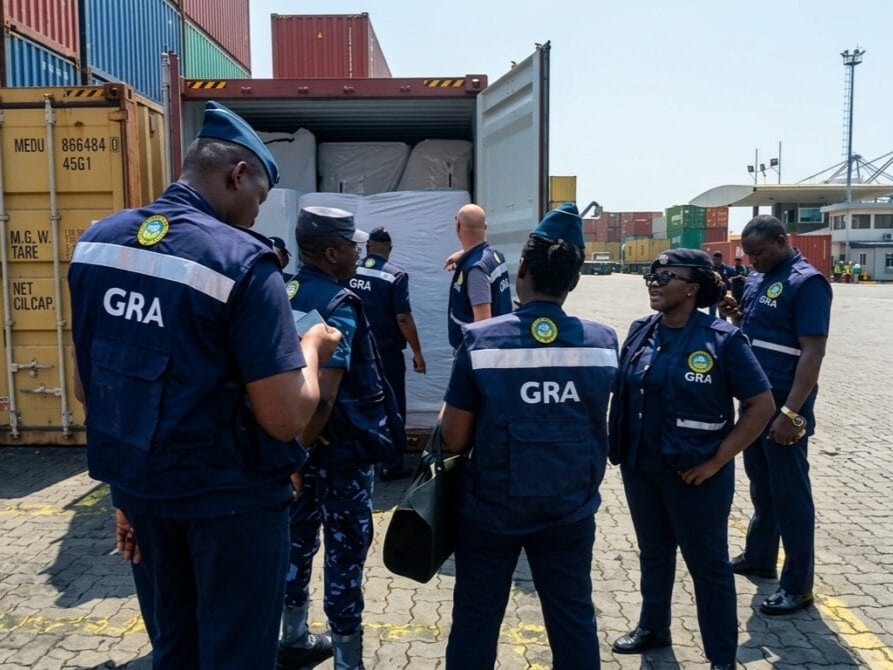
Customs revenue jumps to 450 million dollars monthly since AI introduction
- Customs revenue in Ghana has significantly increased by approximately $100 million monthly, rising from $350 million to $450 million.
- This surge is attributed to the introduction of artificial intelligence systems and the modernization of customs operations, particularly in valuation and classification.
- The Commissioner General of the Ghana Revenue Authority (GRA), Anthony Kwasi Sarpong, disclosed these figures at the West African Tax Administrators Forum.
- Sarpong emphasized that the improvement is a result of administrative reform and digital innovation, not new taxes or higher rates.
- The reforms, which began in April with the installation of AI systems, demonstrate how political will, administrative reform, and digital innovation can transform national fiscal destinies.
September 16, 2026
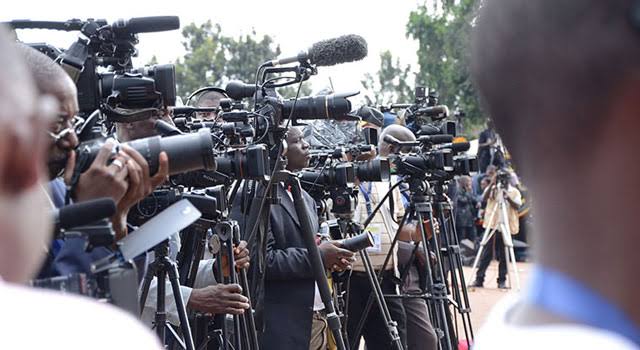
Brutality against journalists is a No-No: Ghana must protect the fourth estate
- Philip Abutiate of Bullet TV was physically assaulted while filming a demolition exercise at Kpeshie, raising serious concerns about journalist safety in Ghana.
- The article emphasizes that journalism is crucial for Ghana's democracy, serving to inform the public, hold power accountable, and provide oversight.
- Attacks on journalists undermine press freedom, discourage vital investigative reporting, and deprive citizens of necessary public information.
- The Ghana Journalists Association (GJA) is called upon to move beyond mere condemnation, actively engaging authorities to ensure accountability and provide support to affected journalists.
- The Minister for the Interior, Ghana Police Service, and other state institutions are urged to take journalist safety seriously, investigate assaults impartially, and implement clear protective measures.
September 16, 2026
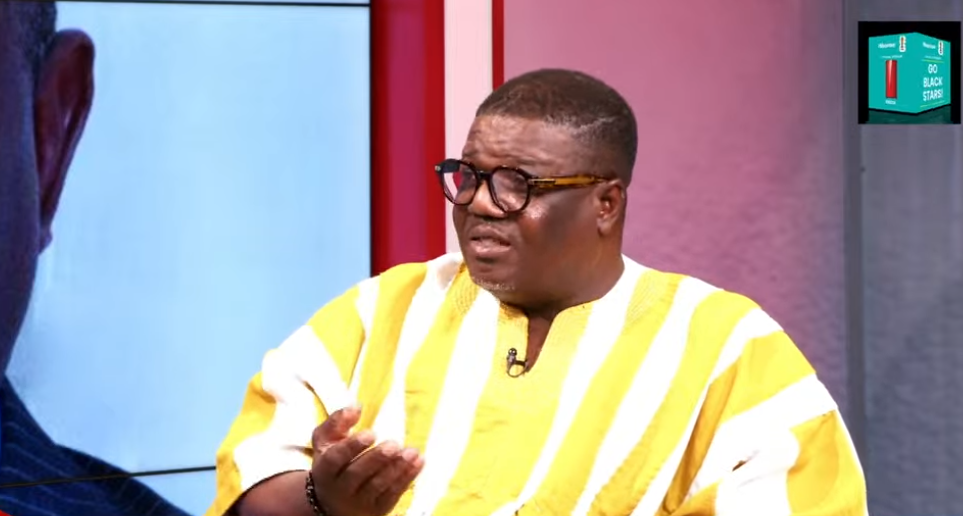
‘Huge and heavily-laden’ SHS prospectus burdens parents, time to review – Dafeamekpor
- MP Rockson-Nelson Dafeamekpor has called for a review of the Senior High School (SHS) prospectus.
- He described the list of required items for new students as "huge and heavily laden."
- The MP questioned the necessity of all items for incoming SHS students.
- Dafeamekpor highlighted the significant financial burden this extensive list places on parents.
- He noted that MPs often bear this financial burden annually, as parents seek assistance.