
Back to Latest Briefings


July 12, 2026
AI-Enhanced
A competent government leads with systems, not brooms
Money
Policy
Opportunity
Growth
Key Points
- The article criticizes the focus on presidential participation in clean-up exercises as insufficient for addressing Ghana's waste problem.
- It argues that effective leadership involves building preventive waste management systems rather than merely responding to disasters like floods.
- National Clean-up Days, while useful for civic engagement, should not be the centerpiece of a nation's waste management policy.
- The author asserts that recent floods merely exposed pre-existing accumulated waste, highlighting a systemic failure in daily waste collection and disposal.
- The piece advocates for a shift from reactive sanitation campaigns to a modern, professional, year-round waste management system encompassing institutions, financing, and enforcement.
Why This Matters
This article is highly significant for Ghana as it addresses a critical and persistent national challenge: waste management and its direct link to public health, environmental quality, and disaster prevention, particularly flooding. It advocates for a fundamental shift in governance approach from reactive measures to proactive, systemic solutions, which could lead to a more sustainable and resilient Ghana.
Read Full Article
View original sourceRelated Articles
October 11, 2026
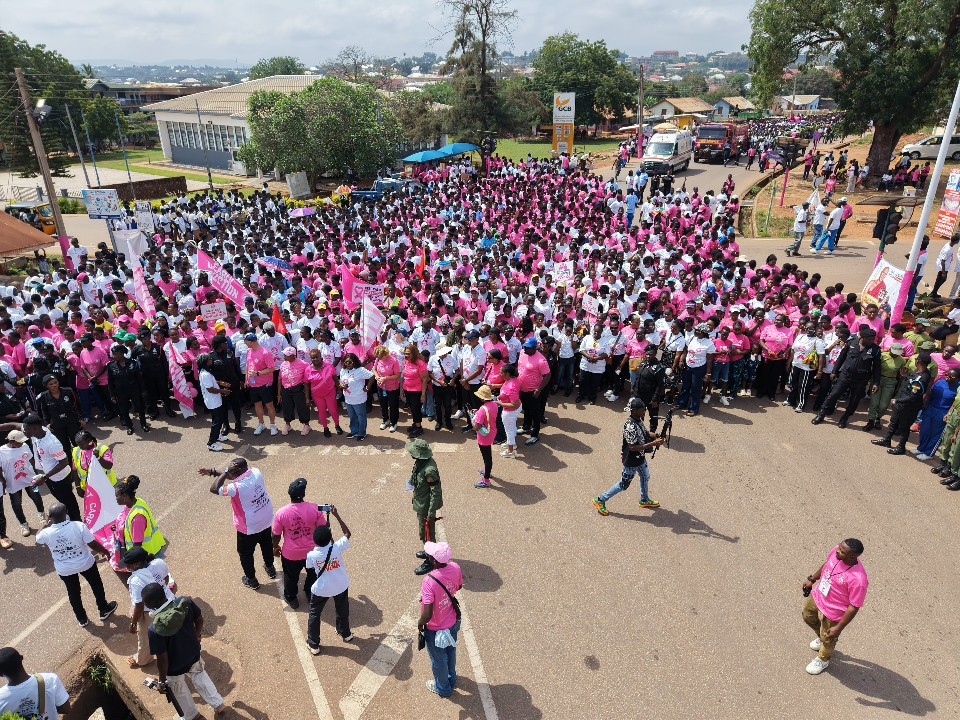
Delta-BCI partnership reaches 166,000 people with breast cancer education
- Delta Air Lines and Breast Care International (BCI) celebrated a decade-long partnership in Ghana.
- The collaboration has educated over 166,000 people on breast cancer, screened more than 22,500, and identified nearly 2,100 suspected cases.
- Targeted rural initiatives reached over 70,100 women, expanding awareness and screening beyond major urban centers.
- The 10th anniversary event, the 2026 BCI Walk for the Cure, was held in Mampong, Ashanti Region, emphasizing collective action and reaching underserved communities.
- Both organizations affirmed their commitment to expanding breast cancer education, screening, and encouraging timely medical attention in the next decade.
October 10, 2026
Conflicts among care providers linked to maternal, neonatal deaths – Expert
- Unresolved conflicts among obstetric care providers are indirectly contributing to maternal and neonatal deaths.
- Internal disagreements and failure to adhere to protocols lead to misdiagnosis, inappropriate interventions, and poor coordination.
- Health facilities and training institutions are urged to prioritize teamwork, communication, and conflict resolution to reduce preventable deaths.
- Midwives must strengthen their professional knowledge and skills to meet the expectations of increasingly informed patients.
- The expert also emphasized equitable healthcare delivery and cautioned trainees against excessive mobile phone use on duty.
October 10, 2026
Gov’t targets recruitment of 16,500 health professionals in 2026
- Government plans to recruit 16,500 health professionals in 2026 to address staffing gaps.
- Financial clearance has been secured to ensure timely payment for all new recruits.
- The initiative aims to tackle unemployment among trained professionals and the migration of skilled workers.
- Retention strategies beyond recruitment include improving working environments and quality of life factors like housing and security.
- The Labour Ministry is pursuing reforms to strengthen labour market governance and improve working conditions.