
Back to Latest Briefings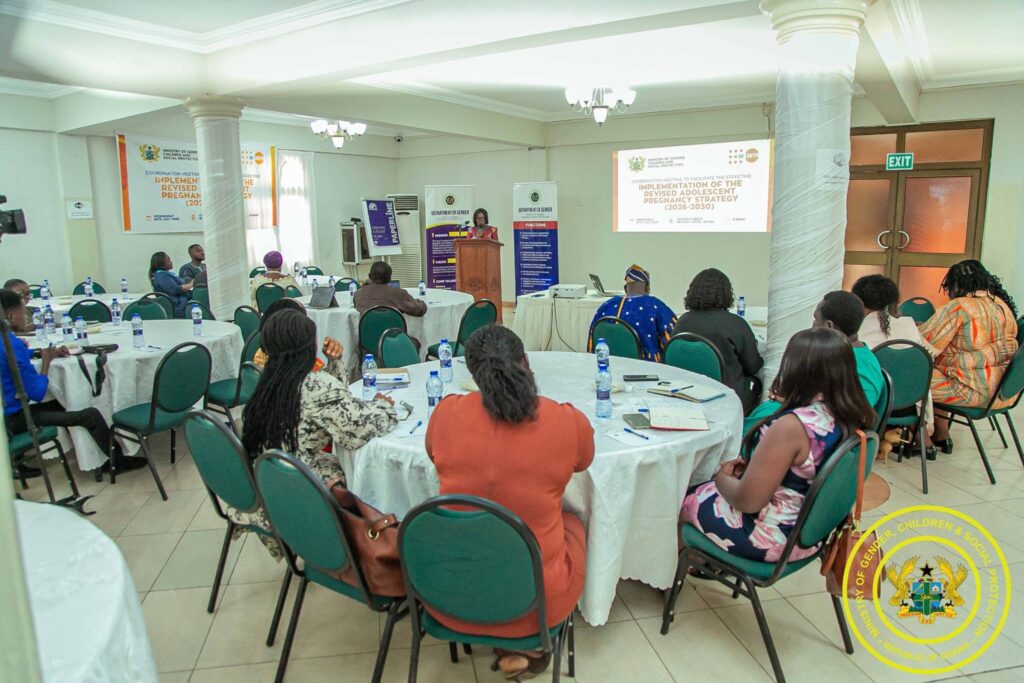


August 1, 2026
AI-Enhanced
Gender Ministry, UNFPA rally stakeholders for implementation of revised adolescent pregnancy strategy
Money
Policy
Opportunity
Growth
Key Points
- The Ministry of Gender, Children and Social Protection (MoGCSP), with UNFPA, convened key stakeholders to strengthen coordination for Ghana's Revised Adolescent Pregnancy Strategy (2026–2030).
- The meeting aimed to build a shared understanding of the strategy, clarify institutional responsibilities, and develop practical measures for its successful rollout.
- Adolescent pregnancy is identified as a major national development concern in Ghana, impacting education, healthcare, gender equality, child protection, and economic growth.
- Ghana records over 100,000 teenage pregnancies annually, with approximately 15% of girls aged 15-19 experiencing pregnancy, highlighting the urgent need for coordinated interventions.
- The revised strategy, building on lessons from previous plans, focuses on empowering adolescents, delaying early sexual activity, improving adolescent health, and ensuring access to quality education and opportunities for productive adulthood.
Why This Matters
Adolescent pregnancy is a critical issue impacting Ghana's human capital development and socio-economic progress. This coordinated effort signifies a renewed commitment to address a problem that severely compromises the education, health, and future economic potential of a significant portion of its youth, thereby hindering national development goals and perpetuating cycles of poverty.
Read Full Article
View original sourceRelated Articles
September 16, 2026
‘Huge and heavily-laden’ SHS prospectus burdens parents, time to review – Dafeamekpor
- MP Rockson-Nelson Dafeamekpor has called for a review of the Senior High School (SHS) prospectus.
- He described the list of required items for new students as "huge and heavily laden."
- The MP questioned the necessity of all items for incoming SHS students.
- Dafeamekpor highlighted the significant financial burden this extensive list places on parents.
- He noted that MPs often bear this financial burden annually, as parents seek assistance.
September 16, 2026
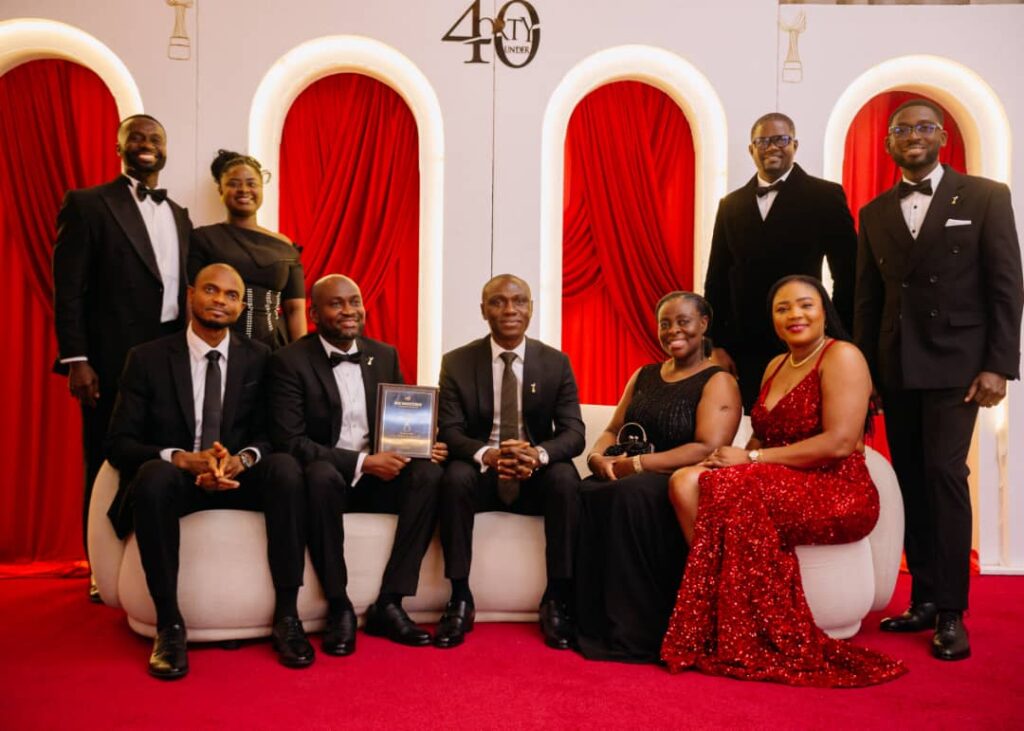
MAB International Hospital’s Akuamah-Boateng wins 10th anniversary Forty Under 40 Ghana Award
- Opare Akuamah-Boateng, CEO of MAB International Hospital, was a winner at the 10th Forty Under 40 Ghana Awards for his leadership.
- The annual awards celebrate young Ghanaian professionals and business leaders under 40 across diverse sectors.
- The 10th anniversary ceremony in Accra recognized 44 individuals and presented 16 honorary awards.
- The Forty Under 40 initiative has expanded to Africa and globally, with over 600 alumni and plans for ISO certification and a franchise model.
- Speakers encouraged awardees to embrace technology, innovation, and entrepreneurship to address national development challenges.
September 14, 2026
Shea Employers Association calls for partial restriction on raw shea exports
- The Ghana Shea Employers Association welcomes the government's proposed restriction on raw shea nut exports.
- The association advocates for a partial restriction (20-30% export) instead of a complete ban on raw shea nuts.
- This partial restriction aims to ensure sufficient raw materials for local processors while allowing exporters to retain international market presence.
- A complete ban is cautioned against, as local processors might lack the capacity to absorb all raw shea nuts produced.
- The association emphasizes that continued large-scale raw exports threaten local processing businesses and the livelihoods of women dependent on the industry.